

- Polypropylene staple fiber purchasing guide: Select the right raw materials for smoother production
- The demand for polypropylene staple fibers is stable, and downstream purchasers pay more attention to the stability of batches.
- Understand the process characteristics of polypropylene staple fibers
- Trump's visit to China sends positive signals, and the export of textile and clothing as well as cotton prices are expected to fully recover.
- Polypropylene staple fiber is a widely used synthetic fiber.
- Cambodia's export growth strengthens its linkage with China's PTA.

- Contact: Mr. Xie
- Telephone: 0086 - 18921987391
- Email: xiejingyu@xcfzp.cn
- Address:No. 20, Xinzha Middle Road, Suzhou City
What are the high quality properties of polypropylene staple fiber?
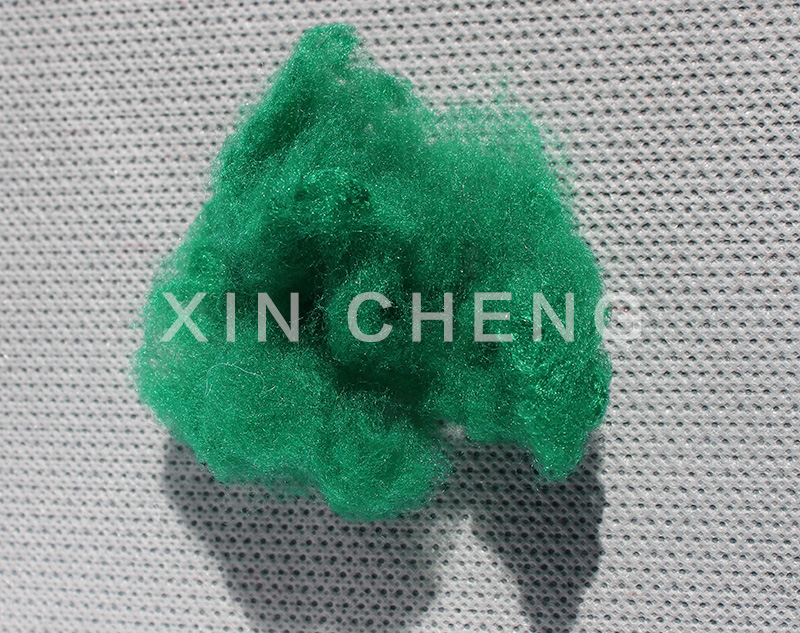
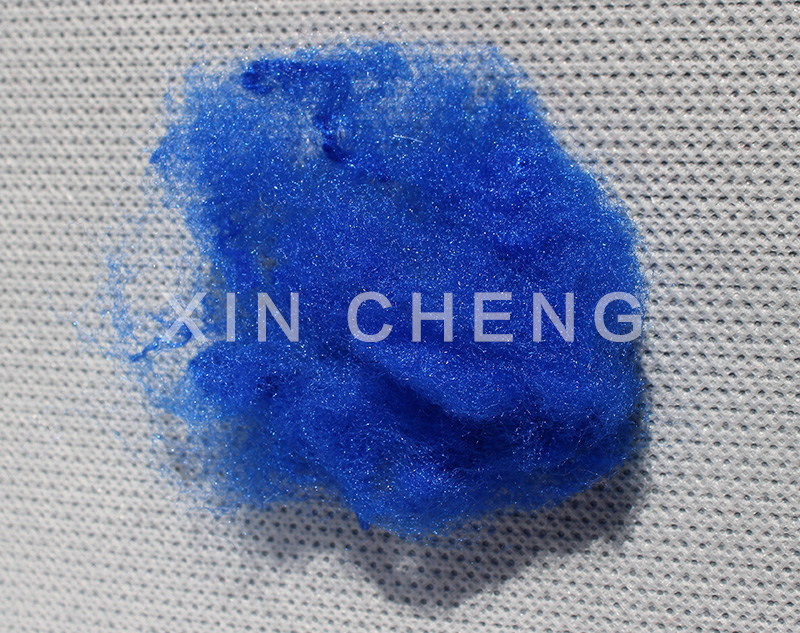
Polypropylene staple fiber has its own advantages and characteristics compared with polyamide fiber, polyester fiber light, viscose fiber light, polypropylene staple fiber polypropylene resin as the main raw material, through melt spinning, drafting, crimping, drying, cutting, packaging and other processes to produce colored and colorless, specified denier and length of fluffy fiber.
So what quality properties does polypropylene staple fiber have?
Light weight, its density of 0.9 ~ 0.92 grams/cubic centimeter, in all synthetic fibers is the lightest, it is 20% lighter than polyamide fiber, 30% lighter than polyester fiber, 40% lighter than viscose fiber; High strength (dry and wet state of the same), good wear resistance and resilience; Anti-microbial, no mold and no decay; Chemical resistance is also better than the general synthetic fiber. In addition, compared with other synthetic fibers, polypropylene fiber has the best electrical insulation and heating properties, its resistivity is very high (7×10¹⁹ ohms · cm), and its thermal conductivity is very small.
However, the melting point of polypropylene staple fiber is low (165 ~ 173℃), and the light and thermal stability is poor, so the heat resistance and aging resistance of polypropylene fiber are poor, and the heat stabilizer and anti-aging agent are usually added to improve its performance. Its hygroscopic and dyeing properties are the worst in synthetic fibers, the moisture recovery rate is less than 0.03%, and ordinary dyes can not make it colored, so a certain amount of coloring masterbatch is added to raw polypropylene in spinning to make the fibers colored.
The company can also tailor-make various personalized short fibers and masterbatch according to the different needs of customers. The company has strong technical force, 19 years of skilled craftsmanship and advanced quality control management system. It has a certain reputation in the market and its products are best-selling Many countries and regions around the world.
- Polypropylene staple fiber purchasing guide: Select the right raw materials for smoother p
- The demand for polypropylene staple fibers is stable, and downstream purchasers pay more a
- Understand the process characteristics of polypropylene staple fibers
- Trump's visit to China sends positive signals, and the export of textile and clothing as w
- Polypropylene staple fiber is a widely used synthetic fiber.
- Cambodia's export growth strengthens its linkage with China's PTA.