

- Polypropylene staple fiber purchasing guide: Select the right raw materials for smoother production
- The demand for polypropylene staple fibers is stable, and downstream purchasers pay more attention to the stability of batches.
- Understand the process characteristics of polypropylene staple fibers
- Trump's visit to China sends positive signals, and the export of textile and clothing as well as cotton prices are expected to fully recover.
- Polypropylene staple fiber is a widely used synthetic fiber.
- Cambodia's export growth strengthens its linkage with China's PTA.

- Contact: Mr. Xie
- Telephone: 0086 - 18921987391
- Email: xiejingyu@xcfzp.cn
- Address:No. 20, Xinzha Middle Road, Suzhou City
Recently, the domestic textile industry has entered the traditional off-season, the opening probability of downstream enterprises has declined significantly, the inventory of finished products has continued to accumulate, and the spinning profit margin has been compressed, the market order volume is insufficient, and the overall prosperity of the industry is low. Textile enterprises are facing the dual challenges of high production costs and increasing sales pressure, and industry confidence has been affected.
It is understood that textile enterprises generally reflect a decrease in new orders, and mainly small orders, weak market demand. Affected by this, enterprises have to adjust the pace of production and reduce the start of construction in order to control inventory levels and avoid excessive tension in the capital chain. In the current environment, the profit of the textile industry is meager, or even close to unprofitable state, and the operating pressure of enterprises has increased significantly.
However, there is a hint of good news in the international market, and the recent rebound in the outer disk has brought a certain degree of support to the domestic cotton market. The recovery of international cotton prices has helped ease the downward pressure on domestic cotton prices, provided a certain price buffer space for textile enterprises, and reduced the burden of raw material costs.
Nevertheless, the textile industry still needs to be careful to respond to the after-market, continue to pay attention to downstream demand changes and international market dynamics. Enterprises should flexibly adjust production strategies, strengthen cost control, and use financial instruments such as futures markets to hedge risks to withstand uncertainties brought about by market fluctuations. During the off-season of the industry, strengthen internal management, optimize product structure, and fully prepare for the market demand when the peak season arrives.
To sum up, the textile industry is going through a tough time, but with the rebound of outer cotton prices, there are some positive signals in the market. Industry participants should seize the opportunity, actively respond to challenges, and seek breakthroughs in order to achieve better development in the future market environment.
Declaration: The content of this article is organized from the Internet, and the copyright belongs to the original author; If there is infringement, please inform in time and contact to delete.
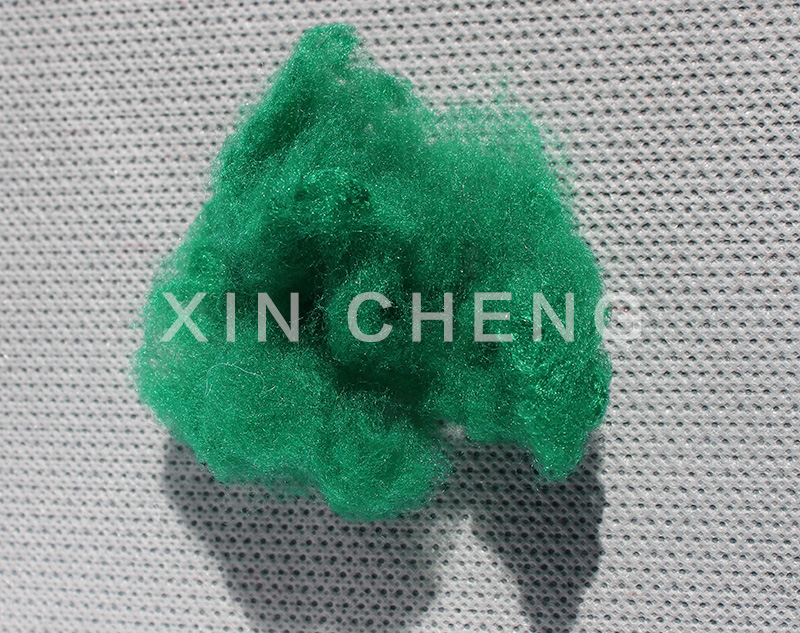
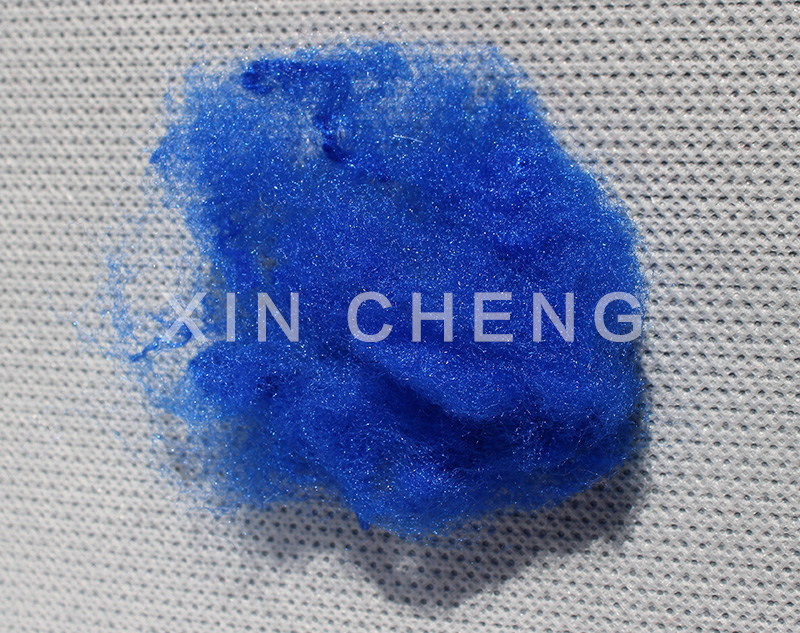
- Polypropylene staple fiber purchasing guide: Select the right raw materials for smoother p
- The demand for polypropylene staple fibers is stable, and downstream purchasers pay more a
- Understand the process characteristics of polypropylene staple fibers
- Trump's visit to China sends positive signals, and the export of textile and clothing as w
- Polypropylene staple fiber is a widely used synthetic fiber.
- Cambodia's export growth strengthens its linkage with China's PTA.