

- Polypropylene staple fiber purchasing guide: Select the right raw materials for smoother production
- The demand for polypropylene staple fibers is stable, and downstream purchasers pay more attention to the stability of batches.
- Understand the process characteristics of polypropylene staple fibers
- Trump's visit to China sends positive signals, and the export of textile and clothing as well as cotton prices are expected to fully recover.
- Polypropylene staple fiber is a widely used synthetic fiber.
- Cambodia's export growth strengthens its linkage with China's PTA.

- Contact: Mr. Xie
- Telephone: 0086 - 18921987391
- Email: xiejingyu@xcfzp.cn
- Address:No. 20, Xinzha Middle Road, Suzhou City
The term polypropylene staple fiber can often be seen, so what fiber can be called short fiber, how to distinguish polypropylene staple fiber and other fibers?
In order to facilitate a more in-depth understanding of polypropylene staple fibers, first of all, it should be clear that the lengthened fiber, plus staple fiber and the matrix of long fiber, staple fiber, these four have completely different concepts, sometimes easy to be confused, so it is important to recognize them.
Lengthened and added staple fibers and long fibers in the matrix Staple fibers are not a single concept. Extended fiber is a continuous long glass fiber, and short fiber is a short fiber cut several millimeters in length. The concept of long fiber and short fiber in the matrix is generally 1mm length as the limit, greater than or equal to 1mm for long fiber, less than 1mm for short fiber. Therefore, the lengthened fiber can be made into a growth fiber or a short fiber; The addition of staple fiber can also be made of growth fiber or staple fiber.
It is not difficult to see from their concept, although the concept is different, but there is a single connection between each other, it can be extended to polypropylene staple fiber and long fiber, the limit length of the fiber is also about 1mm, less than 1mm is polypropylene staple fiber.
Suzhou Xincheng Textile Co., Ltd. is located in the beautiful and fertile Suzhou City, close to developed large and medium-sized cities such as Shanghai, Wuxi, Nanjing, and Hangzhou. It has a unique economic environment and geographical location, and very convenient water and land transportation. The company currently has polyester staple fiber production lines and polypropylene staple fiber production lines, with more than 150 employees. The annual output of polyester staple fiber is 30,000 tons. It mainly produces: small and medium-sized chemical and viscose spinning; the annual output of polypropylene staple fiber is 16,000 tons. At the same time, we produce masterbatches and can provide customized services according to customer needs.
The company can also tailor-make various personalized short fibers and masterbatch according to the different needs of customers. The company has strong technical force, 19 years of skilled craftsmanship and advanced quality control management system. It has a certain reputation in the market and its products are best-selling Many countries and regions around the world.
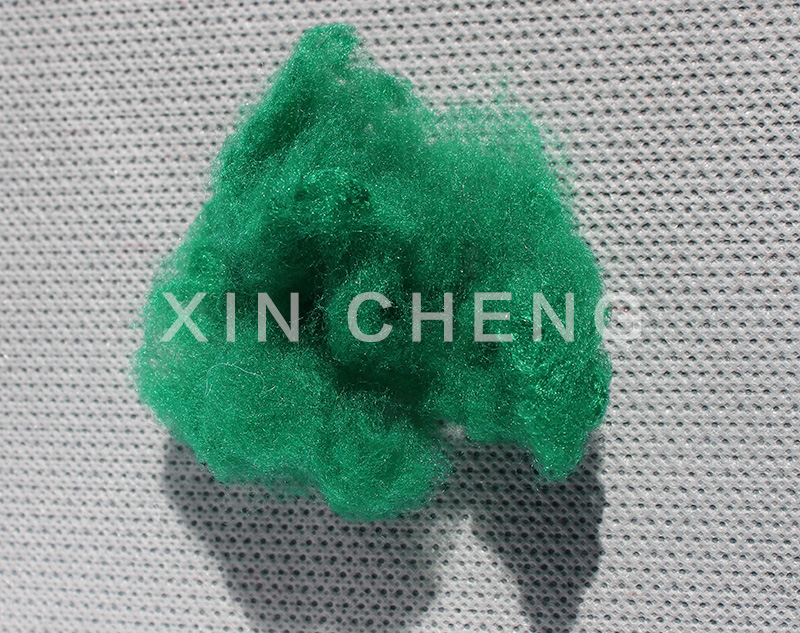
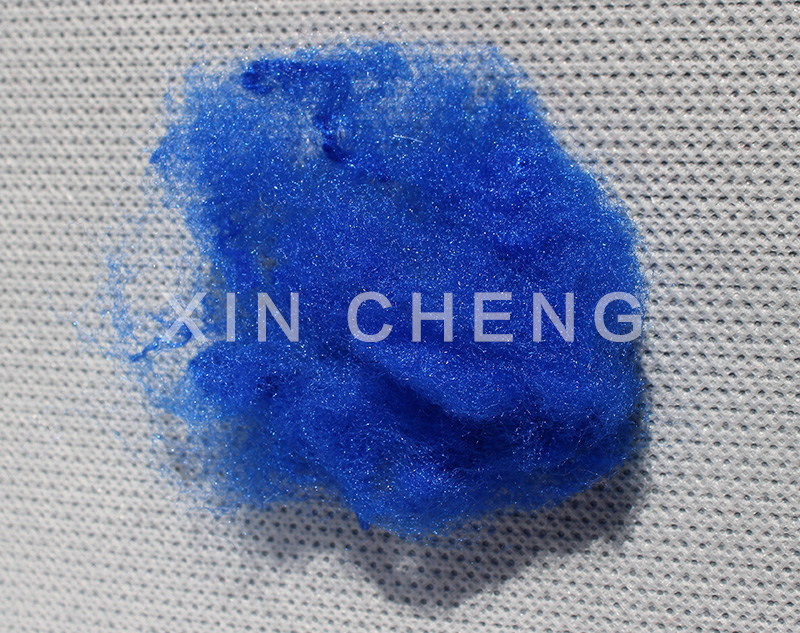
- Polypropylene staple fiber purchasing guide: Select the right raw materials for smoother p
- The demand for polypropylene staple fibers is stable, and downstream purchasers pay more a
- Understand the process characteristics of polypropylene staple fibers
- Trump's visit to China sends positive signals, and the export of textile and clothing as w
- Polypropylene staple fiber is a widely used synthetic fiber.
- Cambodia's export growth strengthens its linkage with China's PTA.