

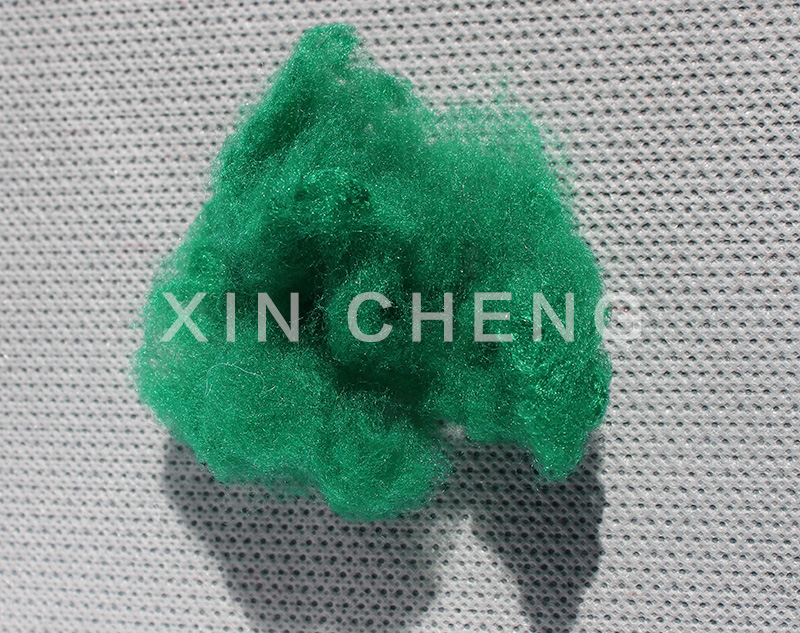
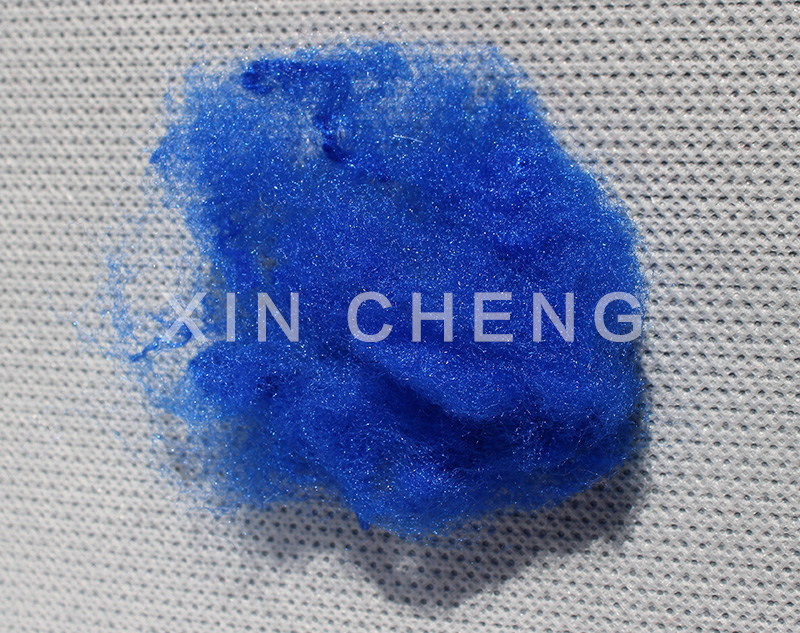
- Polypropylene staple fiber purchasing guide: Select the right raw materials for smoother production
- The demand for polypropylene staple fibers is stable, and downstream purchasers pay more attention to the stability of batches.
- Understand the process characteristics of polypropylene staple fibers
- Trump's visit to China sends positive signals, and the export of textile and clothing as well as cotton prices are expected to fully recover.
- Polypropylene staple fiber is a widely used synthetic fiber.
- Cambodia's export growth strengthens its linkage with China's PTA.

- Contact: Mr. Xie
- Telephone: 0086 - 18921987391
- Email: xiejingyu@xcfzp.cn
- Address:No. 20, Xinzha Middle Road, Suzhou City
The textile and chemical fiber industry is a "hard-hit area" for anti-dumping investigations.
Analysis by the China Chamber of Commerce for Import and Export of Textiles and Apparel reveals three notable characteristics of trade remedy investigations targeting Chinese textile and apparel products in 2024, further highlighting the plight of the textile and chemical fiber industry.
First, the number of cases and the value involved reached new highs, encompassing the entire supply chain. In 2024, the textile and apparel industry experienced 25 trade friction cases, a year-on-year increase of 14%; the value involved reached US$1.63 billion, a year-on-year increase of 26%. From textile raw materials such as synthetic fibers to finished garments such as clothing, the products involved span the entire supply chain, encompassing virtually every category.
Second, chemical fiber products have become a core target of investigations. As a key raw material in the textile and apparel industry, chemical fiber products are widely used in various fields due to their excellent properties, such as high strength, good wear resistance, and easy washing. However, with the growing awareness of trade protection among foreign chemical fiber companies, chemical fiber products have gradually become a key target of trade remedy investigations. Of the 25 textile and apparel trade frictions in 2024, nearly half involved chemical fiber products. Turkey, the United States, India, Indonesia, Pakistan, Mexico, and Brazil were the main initiators, with Turkey launching six investigations, the United States and Brazil four each, and India, Indonesia, Pakistan, and Mexico two each.
Third, trade frictions have a significant international transmission effect, with similar products facing "blockades" from multiple countries. When one country initiates a trade remedy investigation against a particular product, it often triggers other countries or competing companies to follow suit, creating a chain reaction. For example, nylon filament yarn has been the subject of 10 trade remedy investigations by India, Brazil, and Turkey since 2005, involving a total of approximately US$440 million. This demonstrates a significant international transmission effect.
Disclaimer: The content of this article is compiled from the internet and the copyright belongs to the original author. Please notify us promptly of any infringement and we will contact you for removal.
- Polypropylene staple fiber purchasing guide: Select the right raw materials for smoother p
- The demand for polypropylene staple fibers is stable, and downstream purchasers pay more a
- Understand the process characteristics of polypropylene staple fibers
- Trump's visit to China sends positive signals, and the export of textile and clothing as w
- Polypropylene staple fiber is a widely used synthetic fiber.
- Cambodia's export growth strengthens its linkage with China's PTA.