

- Polypropylene staple fiber purchasing guide: Select the right raw materials for smoother production
- The demand for polypropylene staple fibers is stable, and downstream purchasers pay more attention to the stability of batches.
- Understand the process characteristics of polypropylene staple fibers
- Trump's visit to China sends positive signals, and the export of textile and clothing as well as cotton prices are expected to fully recover.
- Polypropylene staple fiber is a widely used synthetic fiber.
- Cambodia's export growth strengthens its linkage with China's PTA.

- Contact: Mr. Xie
- Telephone: 0086 - 18921987391
- Email: xiejingyu@xcfzp.cn
- Address:No. 20, Xinzha Middle Road, Suzhou City
When faced with a wide range of fiber material options, why can Polypropylene staple fiber stand out and become the preferred choice for many manufacturers? This is mainly attributed to its comprehensive advantages in terms of performance, economy and environmental protection.
First of all, outstanding performance is its core attraction. Polypropylene staple fibers possess outstanding physical and chemical properties. It has high strength and strong wear resistance, and the products made from it are very durable. Meanwhile, it has good resistance to most acids and bases, excellent chemical stability, and is suitable for special industrial environments. In addition, its inherent non-absorbent property enables its products to remain dry and resistant to mold and bacteria.
Secondly, high economic efficiency is another major highlight of polypropylene staple fiber. Its main raw material, polypropylene, is abundant in sources and relatively stable in price, which enables effective control of production costs. For manufacturers pursuing high cost performance, the use of Polypropylene staple fibers can significantly reduce raw material input while ensuring product quality and enhancing market competitiveness.
Finally, environmental protection features are receiving increasing attention. The density of polypropylene staple fiber is less than that of water, making its recycling and treatment relatively convenient. Compared with some refractory materials, it can be recycled and reused under specific conditions, which meets the requirements of modern industry for sustainable development. Choosing polypropylene staple fiber is not only about selecting a high-performance material, but also a way to fulfill environmental protection responsibilities.
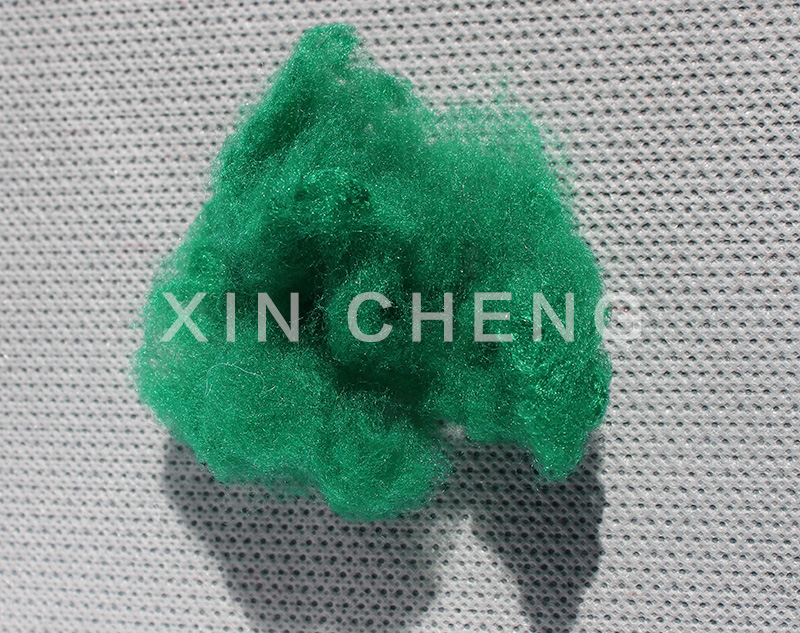
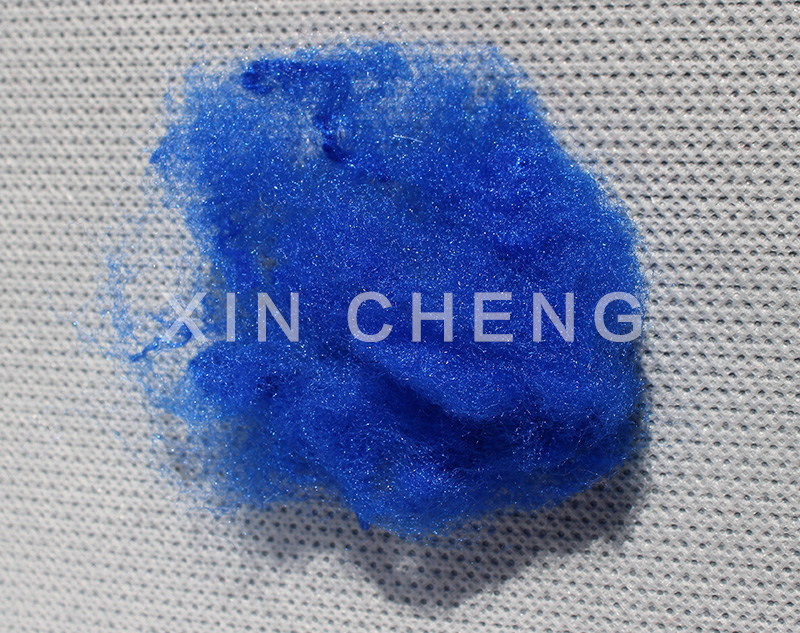
- Polypropylene staple fiber purchasing guide: Select the right raw materials for smoother p
- The demand for polypropylene staple fibers is stable, and downstream purchasers pay more a
- Understand the process characteristics of polypropylene staple fibers
- Trump's visit to China sends positive signals, and the export of textile and clothing as w
- Polypropylene staple fiber is a widely used synthetic fiber.
- Cambodia's export growth strengthens its linkage with China's PTA.