

- Polypropylene staple fiber purchasing guide: Select the right raw materials for smoother production
- The demand for polypropylene staple fibers is stable, and downstream purchasers pay more attention to the stability of batches.
- Understand the process characteristics of polypropylene staple fibers
- Trump's visit to China sends positive signals, and the export of textile and clothing as well as cotton prices are expected to fully recover.
- Polypropylene staple fiber is a widely used synthetic fiber.
- Cambodia's export growth strengthens its linkage with China's PTA.

- Contact: Mr. Xie
- Telephone: 0086 - 18921987391
- Email: xiejingyu@xcfzp.cn
- Address:No. 20, Xinzha Middle Road, Suzhou City
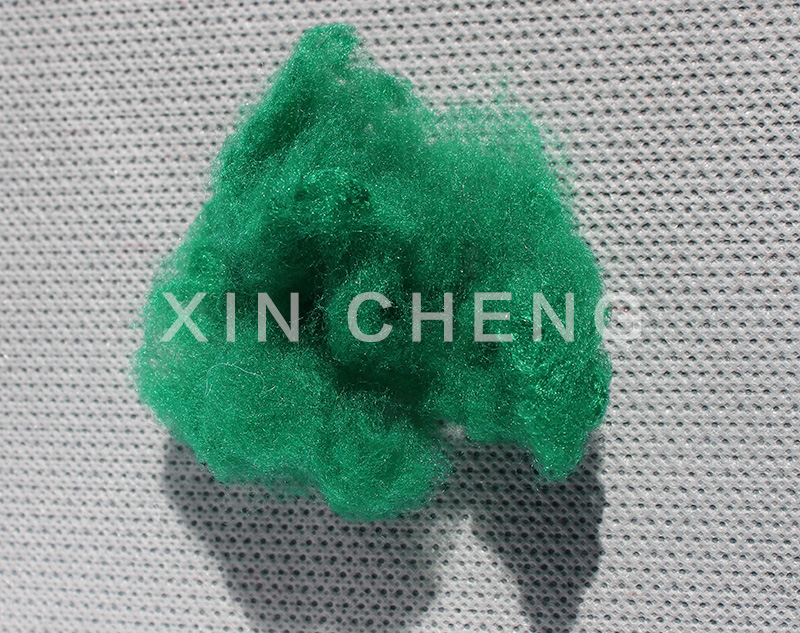
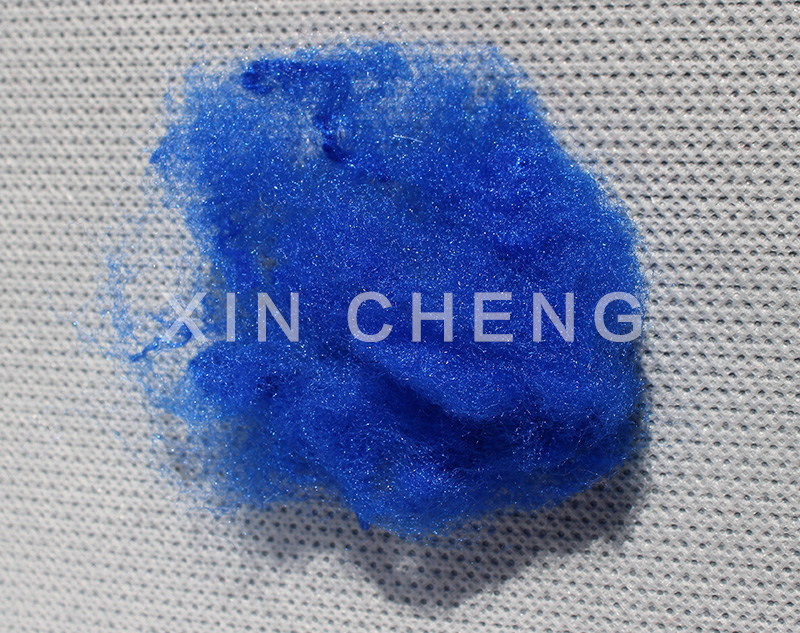
Polypropylene staple fiber, as a fundamental synthetic fiber, has permeated every aspect of our lives and industrial production. Its many excellent properties, such as high strength, chemical resistance and hydrophobicity, have opened up a broad application field for it.
One very important application field is the manufacturing of non-woven fabrics. Polypropylene staple fiber is one of the main raw materials for the production of non-woven fabrics. These non-woven fabrics are widely used in medical supplies (such as surgical gowns and masks), agricultural covering fabrics, home decorative fabrics and shopping bags, etc. Due to its good tensile strength and high cost-effectiveness, the non-woven fabric products made from it are both strong and economical.
In the textile industry, Polypropylene staple fibers are often blended with other natural or chemical fibers. Through blending, the wear resistance, wrinkle resistance and stability of fabrics can be enhanced, and they are often used to make clothing linings, gloves, blankets and various decorative fabrics. It endows the final product with the characteristics of a longer service life and easier care.
In addition, in the fields of civil engineering and construction, Polypropylene staple fibers also play a significant role. When it is incorporated into concrete, it can effectively enhance the material's crack resistance and toughness, and improve the quality and durability of the project. Similarly, in terms of filter materials, taking advantage of its corrosion-resistant property, polypropylene staple fibers are used to make industrial filter cloths to filter gases and liquids in harsh environments.
From daily necessities to high-end engineering, polypropylene staple fibers have diverse and practical applications, continuously providing a solid material foundation for the development of various industries.
- Polypropylene staple fiber purchasing guide: Select the right raw materials for smoother p
- The demand for polypropylene staple fibers is stable, and downstream purchasers pay more a
- Understand the process characteristics of polypropylene staple fibers
- Trump's visit to China sends positive signals, and the export of textile and clothing as w
- Polypropylene staple fiber is a widely used synthetic fiber.
- Cambodia's export growth strengthens its linkage with China's PTA.