

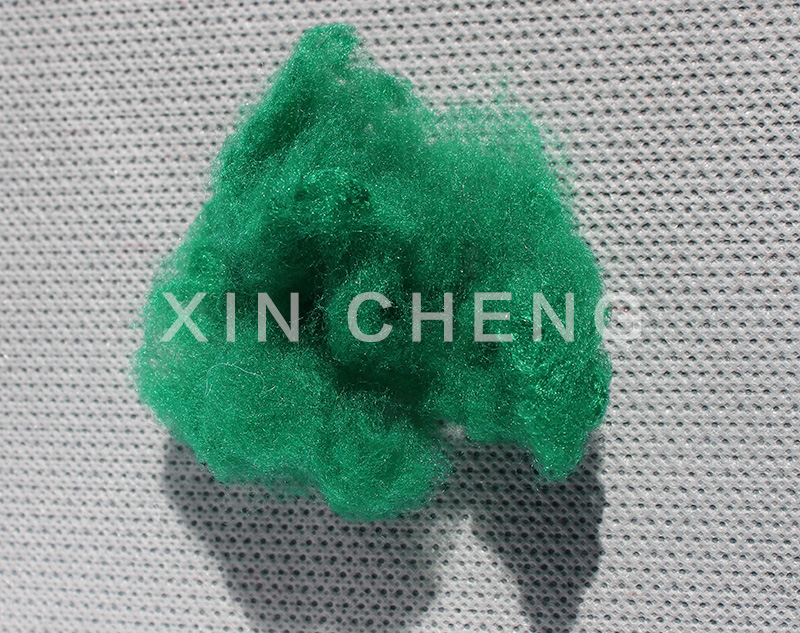
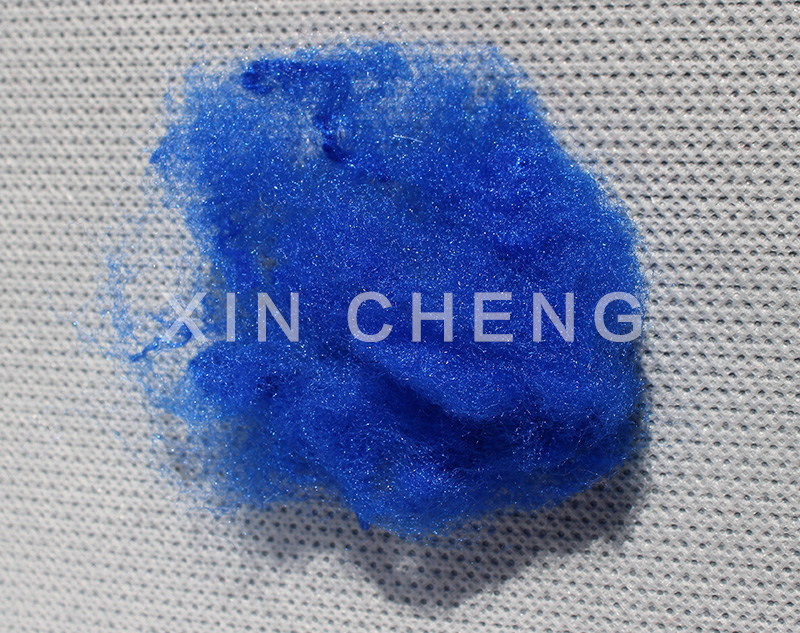
- Polypropylene staple fiber purchasing guide: Select the right raw materials for smoother production
- The demand for polypropylene staple fibers is stable, and downstream purchasers pay more attention to the stability of batches.
- Understand the process characteristics of polypropylene staple fibers
- Trump's visit to China sends positive signals, and the export of textile and clothing as well as cotton prices are expected to fully recover.
- Polypropylene staple fiber is a widely used synthetic fiber.
- Cambodia's export growth strengthens its linkage with China's PTA.

- Contact: Mr. Xie
- Telephone: 0086 - 18921987391
- Email: xiejingyu@xcfzp.cn
- Address:No. 20, Xinzha Middle Road, Suzhou City
Export growth leads the world, with resource-based products becoming the core engine
According to the forecast data of the Economic Commission for Latin America and the Caribbean, the export value of goods from Latin America and the Caribbean to China will achieve a year-on-year growth of 7% in 2025, which is significantly higher than the export performance to the European Union and the United States. The core driving force behind this growth is not only the steady increase in the sales of agricultural products such as meat and soybeans, but also the rise in the prices of mineral products like copper, which has played a key supporting role.
For the textile industry, this data conceals multiple signals. The abundant natural textile raw material resources such as cotton and wool in Latin America have long been an important supply end of the global textile industry chain. With the continuous heating up of agricultural product trade between China and Latin America, the cross-border circulation efficiency of textile raw materials is expected to be further enhanced, providing new possibilities for domestic textile enterprises to reduce raw material procurement costs and optimize supply chain layout.
The expansion and acceleration of imports have made the Asian market a strategic direction
While exports have been growing, the import trade from China in Latin America has also demonstrated strong resilience. The Economic Commission for Latin America and the Caribbean (ECLAC) has clearly pointed out that the region's imports from China are expected to achieve a high growth rate of 13% in 2025. Moreover, the region is accelerating the adjustment of export directions, with the Asian market, especially China and ASEAN, as key areas for layout.
This strategic shift holds profound significance for the textile industry. As a major global textile manufacturing country, China enjoys a complete industrial chain advantage and cost competitiveness in fields such as fabrics, clothing, and textile machinery. The growing import demand in Latin America provides a broad space for domestic textile enterprises to open up new export markets. Especially against the backdrop of the global trade landscape's reconstruction, the rise of the Latin American market is expected to become a new growth pole for China's textile foreign trade, effectively hedging against the fluctuation risks of traditional markets.
Declaration: The content of this article is compiled from the Internet and the copyright belongs to the original author. If there is any infringement, please inform us in time and contact us for deletion.
- Polypropylene staple fiber purchasing guide: Select the right raw materials for smoother p
- The demand for polypropylene staple fibers is stable, and downstream purchasers pay more a
- Understand the process characteristics of polypropylene staple fibers
- Trump's visit to China sends positive signals, and the export of textile and clothing as w
- Polypropylene staple fiber is a widely used synthetic fiber.
- Cambodia's export growth strengthens its linkage with China's PTA.