

- Polypropylene staple fiber purchasing guide: Select the right raw materials for smoother production
- The demand for polypropylene staple fibers is stable, and downstream purchasers pay more attention to the stability of batches.
- Understand the process characteristics of polypropylene staple fibers
- Trump's visit to China sends positive signals, and the export of textile and clothing as well as cotton prices are expected to fully recover.
- Polypropylene staple fiber is a widely used synthetic fiber.
- Cambodia's export growth strengthens its linkage with China's PTA.

- Contact: Mr. Xie
- Telephone: 0086 - 18921987391
- Email: xiejingyu@xcfzp.cn
- Address:No. 20, Xinzha Middle Road, Suzhou City
The manufacturing of polypropylene staple fibers is a process of converting polypropylene resin into practical fibers. Its production process is relatively mature, and the fibers produced thereby, due to their specific properties, are constantly expanding diverse downstream application markets, demonstrating strong industrial linkage value.
The production of polypropylene staple fibers begins with selected polypropylene pellets. These pellets are dried and melted to form a uniform melt. The melt is then forced through a precisely designed spinneret, forming continuous filament bundles, which is called spinning. Subsequently, the filament bundles undergo a series of treatments such as cooling, oiling, and stretching to achieve the desired fiber fineness and mechanical properties. Finally, the continuous long filament bundles are sent to the cutting machine, which cuts them into regular short fibers of the desired length, thus obtaining the finished polypropylene staple fibers. By precisely controlling the process parameters at each stage, customized products of different specifications and cross-sectional shapes can be produced.
The reason why this type of fiber is accepted by multiple industries lies in its comprehensive performance. For instance, in the field of industrial textiles, polypropylene staple fibers are widely used in the production of needled geotextiles due to their high strength and corrosion resistance, and they are applied in infrastructure projects such as roads and water conservancy. In the filtration materials industry, by taking advantage of its good chemical stability and low resistance, filter cloths for air or liquid filtration can be manufactured.
In the field of household consumption, polypropylene staple fibers are also widely used. They are one of the main raw materials for producing indoor and outdoor carpets and automotive interior blankets. In terms of filling materials, their good fluffiness and excellent resilience make them the preferred materials for sofa cushions and toy filling cotton. Moreover, the polypropylene staple fibers that have been modified for hydrophilicity have also expanded their applications in clothing linings, household cleaning cloths, and other areas.
Looking to the future, the development of the polypropylene staple fiber industry is closely linked to technological innovation. Enhancing its functionality through modification techniques, such as anti-static, flame retardant, and antibacterial properties, as well as deepening research on its application in the circular economy model, will be important directions for the industry to continuously expand its market space.
Suzhou Xincheng Textile Co., Ltd. is located in the beautiful and fertile Suzhou City, close to developed large and medium-sized cities such as Shanghai, Wuxi, Nanjing, and Hangzhou. It has a unique economic environment and geographical location, and very convenient water and land transportation. The company currently has polyester staple fiber production lines and polypropylene staple fiber production lines, with more than 150 employees. The annual output of polyester staple fiber is 30,000 tons. It mainly produces: small and medium-sized chemical and viscose spinning; the annual output of polypropylene staple fiber is 16,000 tons. At the same time, we produce masterbatches and can provide customized services according to customer needs.
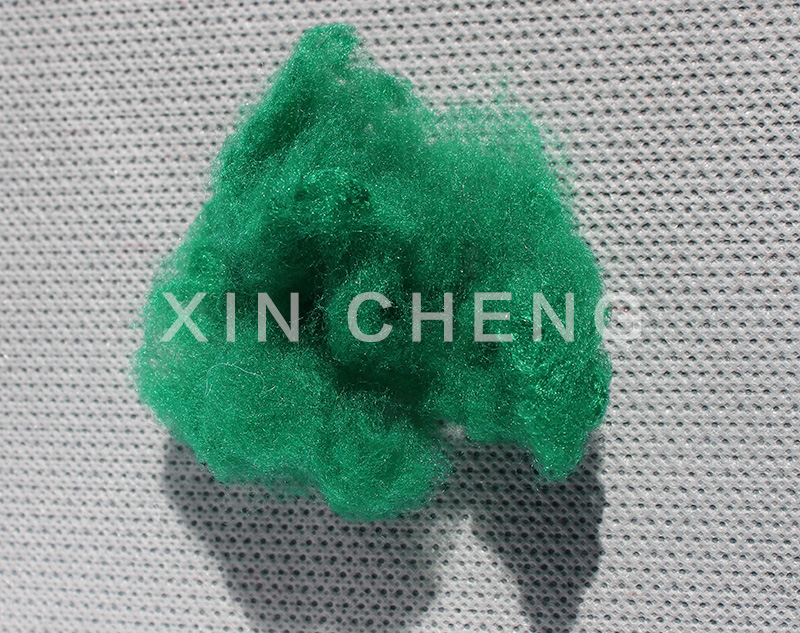
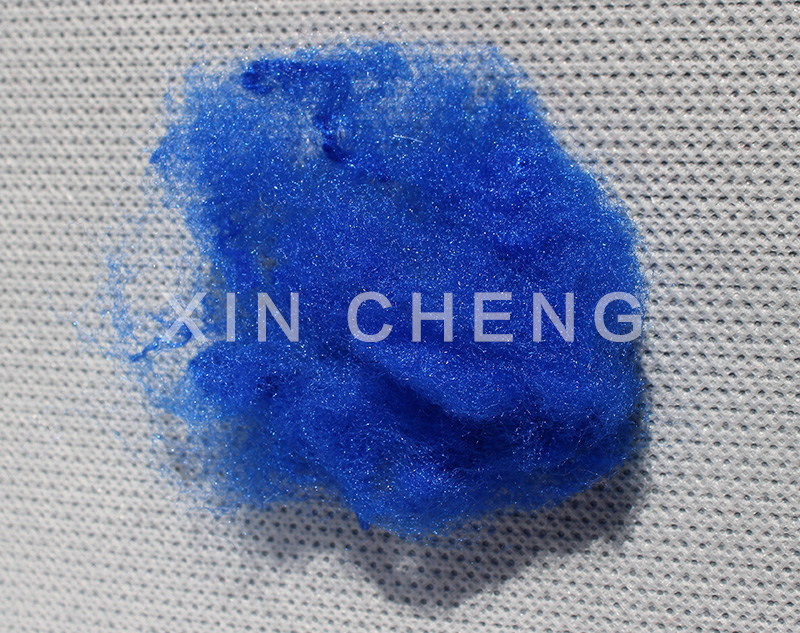
- Polypropylene staple fiber purchasing guide: Select the right raw materials for smoother p
- The demand for polypropylene staple fibers is stable, and downstream purchasers pay more a
- Understand the process characteristics of polypropylene staple fibers
- Trump's visit to China sends positive signals, and the export of textile and clothing as w
- Polypropylene staple fiber is a widely used synthetic fiber.
- Cambodia's export growth strengthens its linkage with China's PTA.