

- Polypropylene staple fiber purchasing guide: Select the right raw materials for smoother production
- The demand for polypropylene staple fibers is stable, and downstream purchasers pay more attention to the stability of batches.
- Understand the process characteristics of polypropylene staple fibers
- Trump's visit to China sends positive signals, and the export of textile and clothing as well as cotton prices are expected to fully recover.
- Polypropylene staple fiber is a widely used synthetic fiber.
- Cambodia's export growth strengthens its linkage with China's PTA.

- Contact: Mr. Xie
- Telephone: 0086 - 18921987391
- Email: xiejingyu@xcfzp.cn
- Address:No. 20, Xinzha Middle Road, Suzhou City
Polypropylene staple fibers, as an important type of synthetic fiber, have continuously expanded their applications in various fields in recent years. These short fibers, made from polypropylene as the raw material, have unique performance characteristics and occupy a significant position in the textile and nonwoven industries.
From the perspective of production process, the production of Polypropylene staple fibers mainly involves processes such as melt spinning, stretching, curling, and cutting. During the production, factors such as the melt quality of the raw materials, the control of spinning temperature, and the adjustment of post-processing techniques all directly affect the final performance of polypropylene staple fibers. For instance, by adjusting the stretching ratio, the strength of the fibers can be changed, while the curling process gives the fibers better cohesion and loftiness.
In terms of performance, Polypropylene staple fibers exhibit several remarkable features. They have a relatively low specific gravity, making the finished fabric lighter. Additionally, the strong hydrophobicity and low moisture absorption of polypropylene staple fibers give them an advantage in environments requiring rapid drying or resistance to moisture. Moreover, their excellent resistance to acids and alkalis and anti-mildew properties have expanded the application scope of polypropylene staple fibers.
Currently, Polypropylene staple fibers have been widely applied in various fields. In the textile industry, they are often blended with other fibers and used to make carpets, decorative fabrics, and various clothing linings. In the industrial application sector, polypropylene staple fibers are extensively utilized in the production of geotextiles, filtration materials, and engineering reinforcing materials. Particularly on non-woven fabric production lines, due to their strong processing adaptability, polypropylene staple fibers have become an important raw material for manufacturing medical protective products, wiping materials, and agricultural covering materials.
With the advancement of technology and the increasing environmental protection requirements, the polypropylene staple fiber industry is also continuously developing. Some production enterprises have begun to pay attention to the sustainability of raw materials and explore the application of recycled polypropylene in staple fiber production. At the same time, by improving production processes, they develop differentiated polypropylene staple fiber products with special cross-sections, antibacterial or UV-resistant functions to meet the diverse demands of the market.
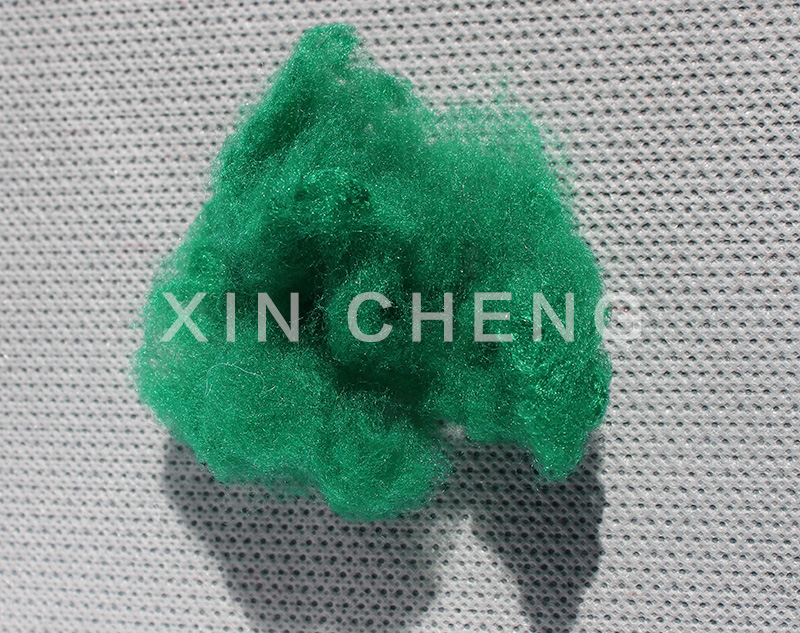
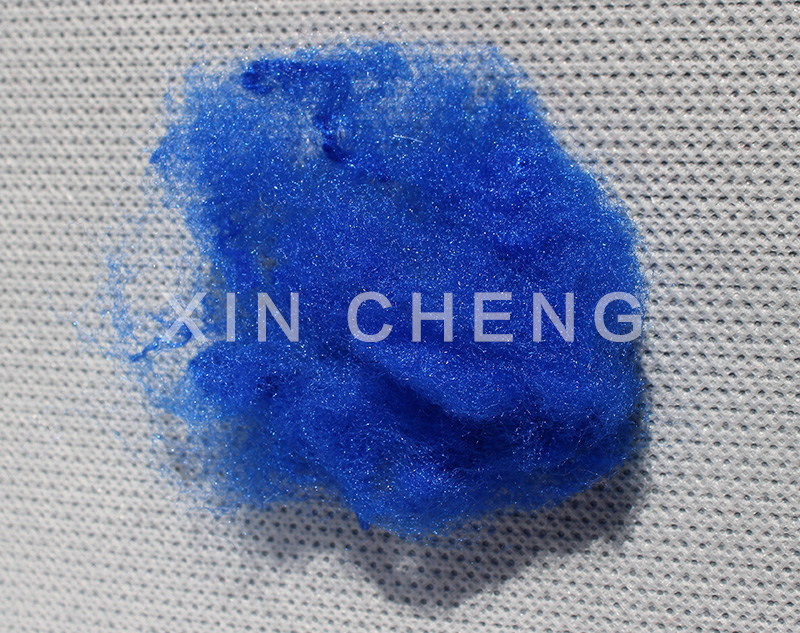
- Polypropylene staple fiber purchasing guide: Select the right raw materials for smoother p
- The demand for polypropylene staple fibers is stable, and downstream purchasers pay more a
- Understand the process characteristics of polypropylene staple fibers
- Trump's visit to China sends positive signals, and the export of textile and clothing as w
- Polypropylene staple fiber is a widely used synthetic fiber.
- Cambodia's export growth strengthens its linkage with China's PTA.