

- Polypropylene staple fiber purchasing guide: Select the right raw materials for smoother production
- The demand for polypropylene staple fibers is stable, and downstream purchasers pay more attention to the stability of batches.
- Understand the process characteristics of polypropylene staple fibers
- Trump's visit to China sends positive signals, and the export of textile and clothing as well as cotton prices are expected to fully recover.
- Polypropylene staple fiber is a widely used synthetic fiber.
- Cambodia's export growth strengthens its linkage with China's PTA.

- Contact: Mr. Xie
- Telephone: 0086 - 18921987391
- Email: xiejingyu@xcfzp.cn
- Address:No. 20, Xinzha Middle Road, Suzhou City
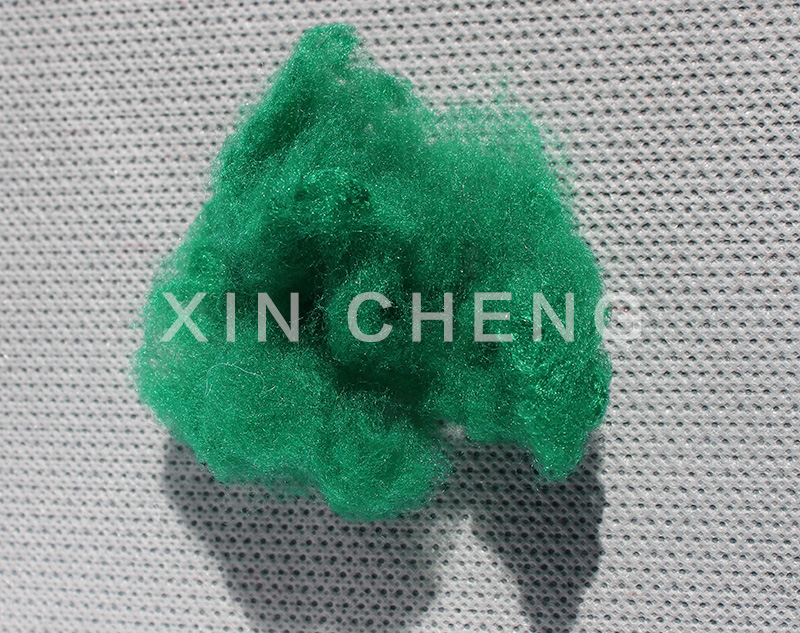
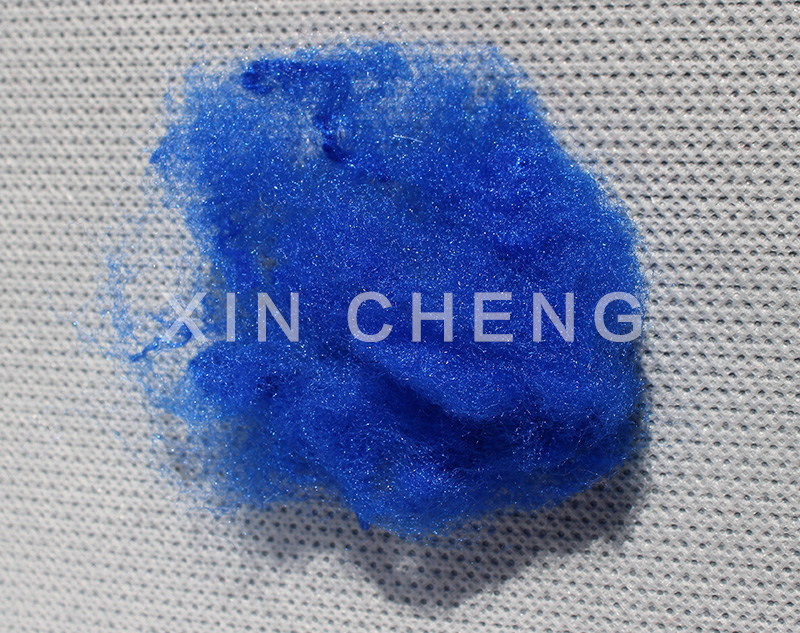
Polypropylene staple fiber is a type of synthetic fiber produced from polypropylene resin, cut into specific lengths for further processing. Unlike filament yarns that are continuous, staple fibers are short in length, typically ranging from a few millimeters to over a hundred millimeters, depending on the intended application. This form of fiber offers flexibility in blending and processing across various industries.
The production process involves melting polypropylene polymer and extruding it through spinnerets to form filaments, which are then stretched, heat-set, and cut into uniform lengths. The resulting fibers exhibit characteristics inherent to polypropylene, including low density, chemical resistance, and moisture resistance. With a specific gravity below 1, these fibers are lighter than many other synthetic and natural fibers, which can be advantageous in weight-sensitive applications.
In the textile sector, Polypropylene staple fiber is commonly used in the manufacture of nonwoven fabrics. Through processes such as needle punching or thermal bonding, these fibers can be formed into fabrics used for geotextiles, automotive interiors, upholstery, and filtration media. The fiber's resistance to moisture and chemicals makes it suitable for applications where durability in harsh environments is required.
Another significant application is in the construction industry, where Polypropylene staple fiber is used as a reinforcement material in concrete and mortar. When added to concrete mixes, the fibers help reduce plastic shrinkage cracking and improve the material's cohesion. This contributes to the long-term durability of structures such as floors, pavements, and shotcrete applications. The fibers are chemically inert and do not corrode, making them a stable additive for cementitious materials.
In the hygiene and medical sectors, Polypropylene staple fiber is utilized in the production of absorbent layers for diapers, sanitary pads, and medical disposables. The fiber can be treated to enhance hydrophilicity when needed, allowing for fluid management in personal care products. Its compatibility with skin and lack of toxicity add to its suitability for such applications.
The fiber is also found in rope and twine manufacturing, as well as in the production of carpet backing and industrial wipes. Its resistance to rot and mildew provides advantages in outdoor and marine applications.
When selecting polypropylene staple fiber for a specific use, factors such as fiber denier, cut length, crimp level, and finish type need to be considered. These parameters influence how the fiber performs in subsequent processing steps like carding, blending, or concrete mixing. Consistency in fiber quality helps maintain uniformity in the final product.
Polypropylene staple fiber continues to be a functional raw material across multiple industries. Its combination of lightweight properties, chemical stability, and adaptability to different manufacturing processes makes it a practical choice for manufacturers seeking reliable performance in their products.
- Polypropylene staple fiber purchasing guide: Select the right raw materials for smoother p
- The demand for polypropylene staple fibers is stable, and downstream purchasers pay more a
- Understand the process characteristics of polypropylene staple fibers
- Trump's visit to China sends positive signals, and the export of textile and clothing as w
- Polypropylene staple fiber is a widely used synthetic fiber.
- Cambodia's export growth strengthens its linkage with China's PTA.