

- Polypropylene staple fiber purchasing guide: Select the right raw materials for smoother production
- The demand for polypropylene staple fibers is stable, and downstream purchasers pay more attention to the stability of batches.
- Understand the process characteristics of polypropylene staple fibers
- Trump's visit to China sends positive signals, and the export of textile and clothing as well as cotton prices are expected to fully recover.
- Polypropylene staple fiber is a widely used synthetic fiber.
- Cambodia's export growth strengthens its linkage with China's PTA.

- Contact: Mr. Xie
- Telephone: 0086 - 18921987391
- Email: xiejingyu@xcfzp.cn
- Address:No. 20, Xinzha Middle Road, Suzhou City
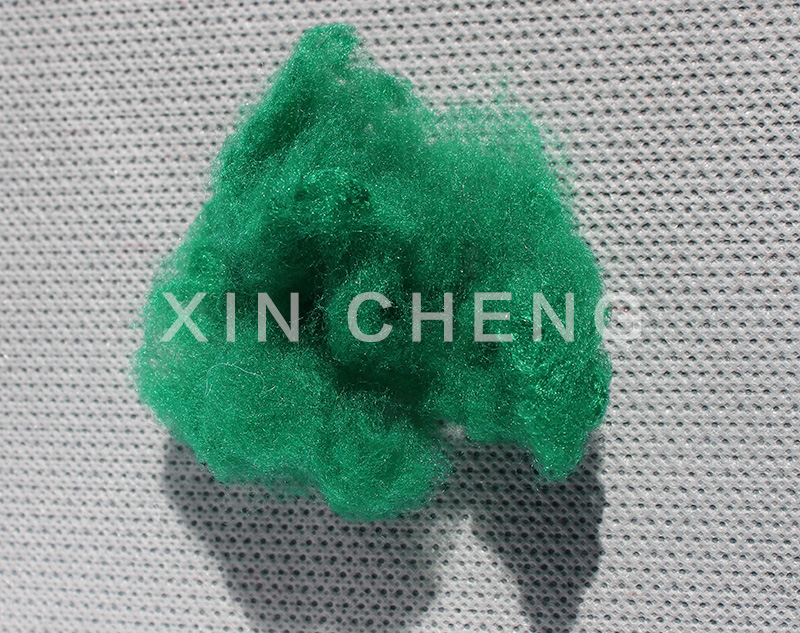
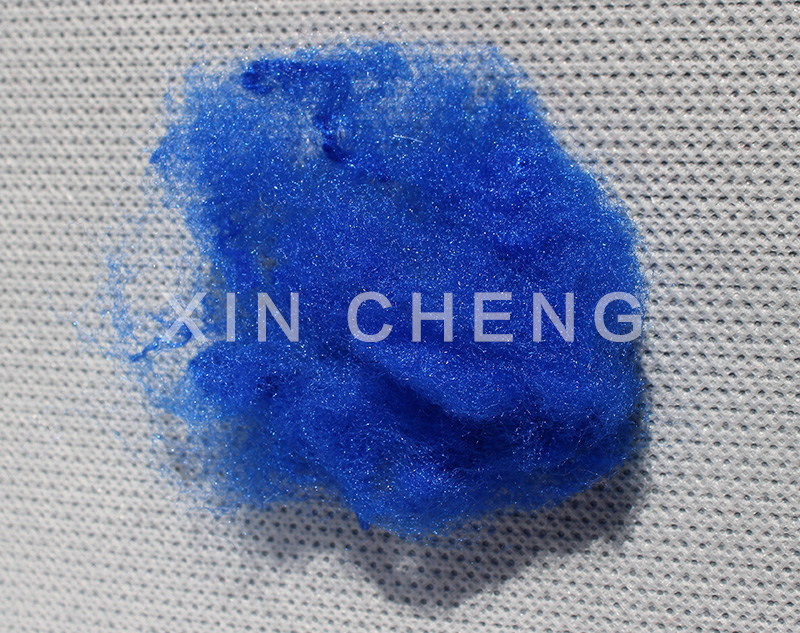
Polypropylene staple fibers, as a common synthetic fiber raw material, play a significant role in both engineering construction and daily consumer products. This type of fiber is produced by melting and spinning polypropylene and then cutting it. Due to its lightweight, corrosion resistance, and good elasticity, it has become the basic material that many manufacturing enterprises have been using for a long time.
In the engineering field,Polypropylene staple fibers are widely used in the production of geotextiles. These geotextiles are laid on the base layer of roads, slope protection structures or landfill sites, serving the functions of isolation, reinforcement and drainage. Due to the low density of polypropylene staple fibers, the geotextiles made from them have a relatively light weight per unit area, which is convenient for on-site laying and transportation. Their resistance to acid and alkali makes them able to maintain structural stability even in soil environments or when in contact with chemical substances, reducing the frequency of material replacement due to aging.
Polypropylene staple fibers can also be seen in water conservancy projects. As an reinforcing component for embankment protection, it can be combined with sand, stones, concrete, etc. to enhance the overall structure's resistance to erosion. In some ecological slope protection projects, the geotextile cushion made of polypropylene short fibers can not only stabilize the soil but also does not hinder the growth of plant roots, achieving a balance between engineering safety and environmental harmony.
Turning to the home furnishing field, Polypropylene staple fibers are widely used in filling materials. Pillows, throw blankets, plush toys, and the core of some bedding products often use polypropylene staple fibers as the main filling material. These fibers have good loftiness and are unlikely to collapse or clump after long-term use, thus maintaining the original shape of the products. For products that need frequent cleaning, the low hygroscopicity of polypropylene staple fibers also helps with quick drying and reduces the risk of mold growth.
In terms of filtration materials, Polypropylene staple fibers are formed into a filtration layer through needle punching or heat bonding processes and are used in air purification equipment, central air conditioning systems, and industrial dust removal devices. These filtration materials have a relatively uniform pore size distribution, which can effectively intercept suspended particles in the air, and the wind resistance remains within a controllable range. Some customized products also add functional additives to the fibers to meet specific usage requirements such as antibacterial or anti-static properties.
Automobile interiors are also an important application field for polypropylene short fibers. The seat filling layer, the trunk padding, and the sound insulation layer of the car door inner panel may all adopt a composite structure of polypropylene short fibers and other materials. These materials not only ensure the support but also help reduce the overall vehicle weight, having a positive impact on fuel economy.
From a processing perspective, polypropylene staple fibers possess excellent thermal bonding properties. When mixed with polyester, viscose, and other fibers, and through processes such as carding and heat setting, they can be transformed into various thicknesses and hardness levels of non-woven fabric products. Manufacturing enterprises can flexibly adjust the fineness, length, and shrinkage rate of the fibers according to the demands of downstream customers, thereby covering a range from soft to stiff products.
With the advancement of recycling technology, polypropylene filament fibers have demonstrated advantages in recycling. When polypropylene materials are heated, they can be re-melted and reshaped. The leftover materials and waste products during the production process can all be recycled and reused, reducing the consumption of primary resources. Some enterprises have added a certain proportion of recycled polypropylene filament fibers to their raw materials, maintaining product performance while responding to the environmental protection trend.
Based on market feedback, polypropylene staple fibers have maintained a stable market share in various specialized fields such as geotechnical materials, household products, and automotive components due to their stable cost-performance ratio and mature processing system. As the downstream applications continue to be subdivided, this material is still extending towards more specialized directions.
- Polypropylene staple fiber purchasing guide: Select the right raw materials for smoother p
- The demand for polypropylene staple fibers is stable, and downstream purchasers pay more a
- Understand the process characteristics of polypropylene staple fibers
- Trump's visit to China sends positive signals, and the export of textile and clothing as w
- Polypropylene staple fiber is a widely used synthetic fiber.
- Cambodia's export growth strengthens its linkage with China's PTA.