

- Polypropylene staple fiber purchasing guide: Select the right raw materials for smoother production
- The demand for polypropylene staple fibers is stable, and downstream purchasers pay more attention to the stability of batches.
- Understand the process characteristics of polypropylene staple fibers
- Trump's visit to China sends positive signals, and the export of textile and clothing as well as cotton prices are expected to fully recover.
- Polypropylene staple fiber is a widely used synthetic fiber.
- Cambodia's export growth strengthens its linkage with China's PTA.

- Contact: Mr. Xie
- Telephone: 0086 - 18921987391
- Email: xiejingyu@xcfzp.cn
- Address:No. 20, Xinzha Middle Road, Suzhou City
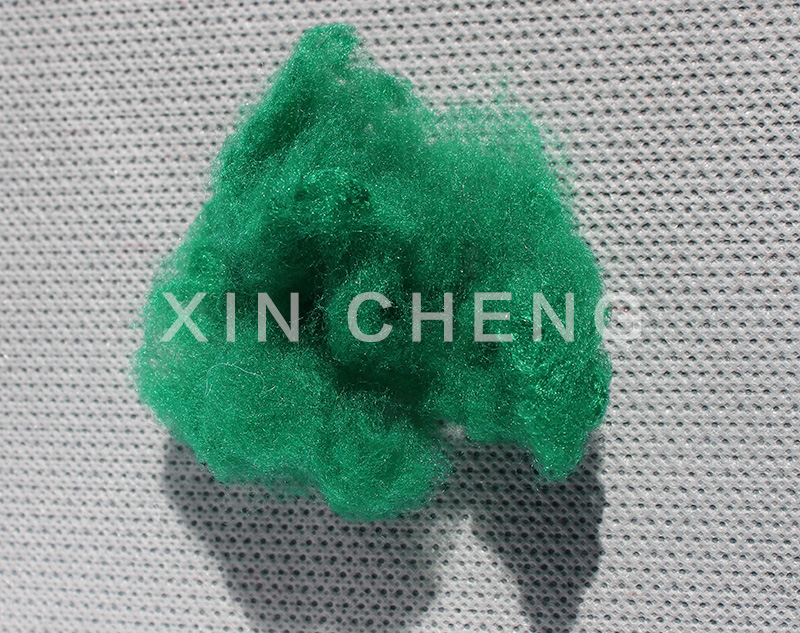
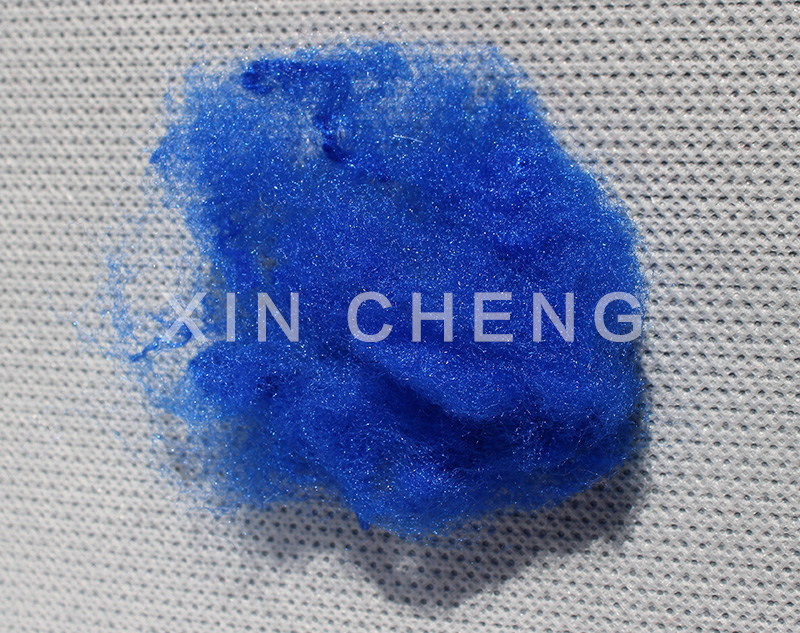
Among the various subcategories of synthetic fibers, polypropylene staple fibers stand out due to their lightweight, corrosion resistance, and flexible processing capabilities. They play a significant role in the fields of engineering materials and daily consumer products. These fibers are produced by melting and then cutting into specific lengths. They can serve as the core material for non-woven fabrics and can also be directly used in filling and reinforcing systems to meet the differentiated material performance requirements of various industries.
From an engineering application perspective, polypropylene staple fibers are widely used in geosynthetic materials. Geotextiles made from polypropylene short fibers through needle-punching or heat bonding processes are extensively employed for isolation of roadbeds, slope protection, and filter layers of drainage systems. Due to the good tolerance of polypropylene materials to acidic and alkaline environments, these geotextiles can maintain stable physical properties under wet or soil contact conditions, and are less prone to degradation or strength reduction. Their density is lower than that of most natural fibers and synthetic fibers, which helps to reduce the transportation and construction burdens of the finished products.
In the field of filtration and separation,polypropylene staple fibers are processed into different precision filtration materials. These materials utilize the pore structure between the fibers to effectively retain particulate matter. The hydrophobic property of polypropylene short fibers makes them less prone to absorbing water and expanding during liquid filtration, thus maintaining the通畅ness of the filtration channels. Some industrial dust removal equipment also uses filter bags made of polypropylene short fibers, and the smoothness of their surfaces helps with the detachment of dust, prolonging the cleaning cycle.
The home furnishing and consumer goods industries also cannot do without the application of polypropylene staple fibers. In sofa cushions, throw pillows, toy fillings, and bedding core layers, polypropylene staple fibers are widely used due to their fluffy texture and rebound ability. Compared to other fiber materials, polypropylene staple fibers are less prone to absorbing moisture and getting damp. After long-term use, they can still maintain a good supporting effect, and they are not prone to caking after molding. Their thermoplastic properties also make it possible for the products to be recycled and reprocessed after disposal, which is in line with the current focus on resource recycling and utilization.
From the perspective of processing adaptability, polypropylene staple fibers can provide different fineness, length and shrinkage rate specifications according to downstream demands. Fine denier fibers are suitable for making soft-touch non-woven fabrics, which are used in hygiene products or clothing linings; coarse denier fibers are more often used in high-strength geotextiles or the framework layers of car interiors. By blending or compounding with other fibers, the hardness, thickness and thermal stability of the finished products can be further adjusted to meet diverse application scenarios.
In terms of environmental protection, the production process of polypropylene staple fibers has relatively controllable energy consumption, and the processing waste can be re-entered into the production cycle through the method of melting and re-granulation. Some manufacturers have already introduced a certain proportion of recycled polypropylene materials in their products, reducing raw material consumption while ensuring basic performance. With the dual attention of downstream applications to the functionality and environmental performance of materials, the continuous improvement in specifications customization and recycling technology of polypropylene staple fibers is creating applicable space in more specialized fields.
- Polypropylene staple fiber purchasing guide: Select the right raw materials for smoother p
- The demand for polypropylene staple fibers is stable, and downstream purchasers pay more a
- Understand the process characteristics of polypropylene staple fibers
- Trump's visit to China sends positive signals, and the export of textile and clothing as w
- Polypropylene staple fiber is a widely used synthetic fiber.
- Cambodia's export growth strengthens its linkage with China's PTA.