

- Polypropylene staple fiber purchasing guide: Select the right raw materials for smoother production
- The demand for polypropylene staple fibers is stable, and downstream purchasers pay more attention to the stability of batches.
- Understand the process characteristics of polypropylene staple fibers
- Trump's visit to China sends positive signals, and the export of textile and clothing as well as cotton prices are expected to fully recover.
- Polypropylene staple fiber is a widely used synthetic fiber.
- Cambodia's export growth strengthens its linkage with China's PTA.

- Contact: Mr. Xie
- Telephone: 0086 - 18921987391
- Email: xiejingyu@xcfzp.cn
- Address:No. 20, Xinzha Middle Road, Suzhou City
In the synthetic filament market, polypropylene filament and polyester filament are two common types. Although they look similar in appearance, there are significant differences in terms of performance, application, and cost. Understanding these distinctions can help users make more appropriate choices based on their actual needs.
From the perspective of raw materials, polypropylene is the basis for polypropylene staple fibers, while polyester is the raw material for polyester staple fibers. This difference leads to differences in physical and chemical properties between the two. For instance, polypropylene staple fibers have a lower density, are lighter in weight, and have stronger acid and alkali resistance; while polyester staple fibers have higher strength and wrinkle resistance, but poorer moisture absorption.
In terms of application fields, polypropylene staple fibers are more commonly used in scenarios with high requirements for corrosion resistance and lightweight, such as industrial filter materials, geotextiles, and carpet backing. Polyester staple fibers are more frequently found in products that demand high strength and durability, such as clothing fillings, home textiles, and sewing threads. Additionally, the dyeing performance of polyester staple fibers is generally superior to that of polypropylene, making it more favored in applications requiring a wide range of colors.
In terms of cost, the production process of polypropylene staple fiber is relatively simple and the raw material prices are lower, so it has an advantage in some projects where cost is a sensitive factor. Although polyester staple fiber is slightly more expensive, its comprehensive performance is stronger and it is suitable for applications with higher quality requirements.
When making a choice, users can comprehensively consider factors such as the material's weather resistance, weight, cost, and processing conditions. For instance, outdoor textiles may need to prioritize the corrosion resistance of polypropylene, while clothing linings may place more emphasis on the softness and strength of polyester.
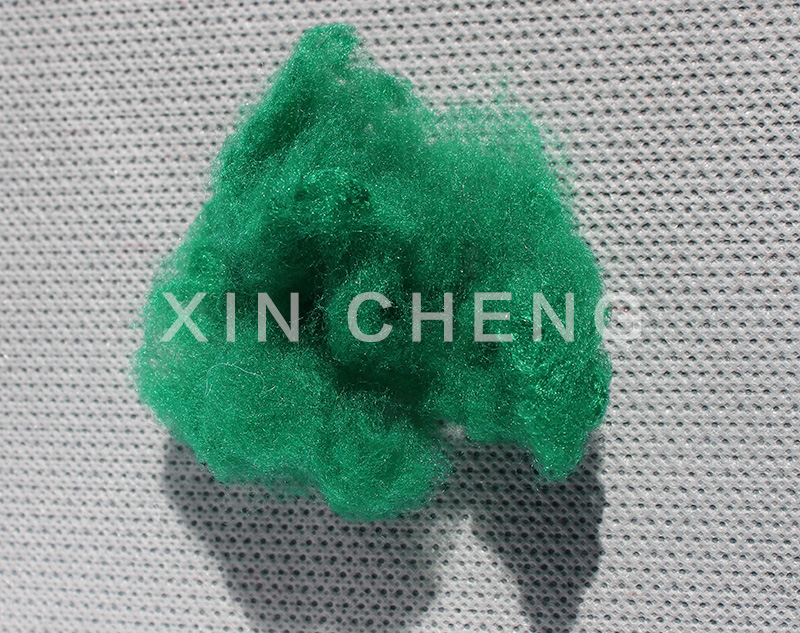
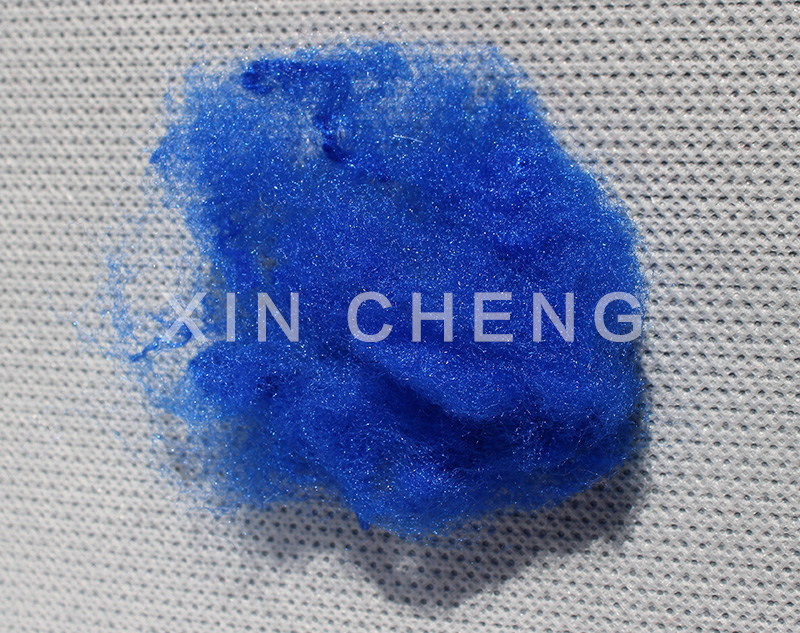
- Polypropylene staple fiber purchasing guide: Select the right raw materials for smoother p
- The demand for polypropylene staple fibers is stable, and downstream purchasers pay more a
- Understand the process characteristics of polypropylene staple fibers
- Trump's visit to China sends positive signals, and the export of textile and clothing as w
- Polypropylene staple fiber is a widely used synthetic fiber.
- Cambodia's export growth strengthens its linkage with China's PTA.