

- Polypropylene staple fiber purchasing guide: Select the right raw materials for smoother production
- The demand for polypropylene staple fibers is stable, and downstream purchasers pay more attention to the stability of batches.
- Understand the process characteristics of polypropylene staple fibers
- Trump's visit to China sends positive signals, and the export of textile and clothing as well as cotton prices are expected to fully recover.
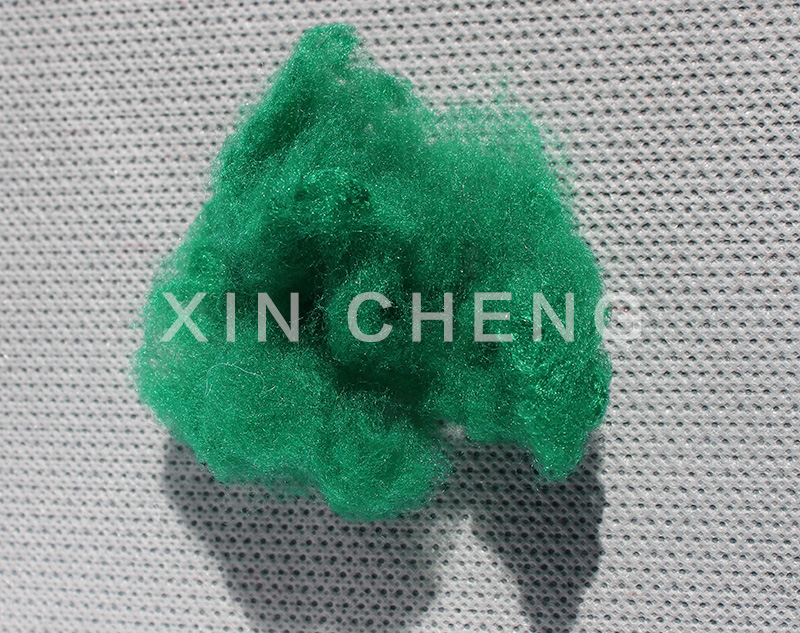
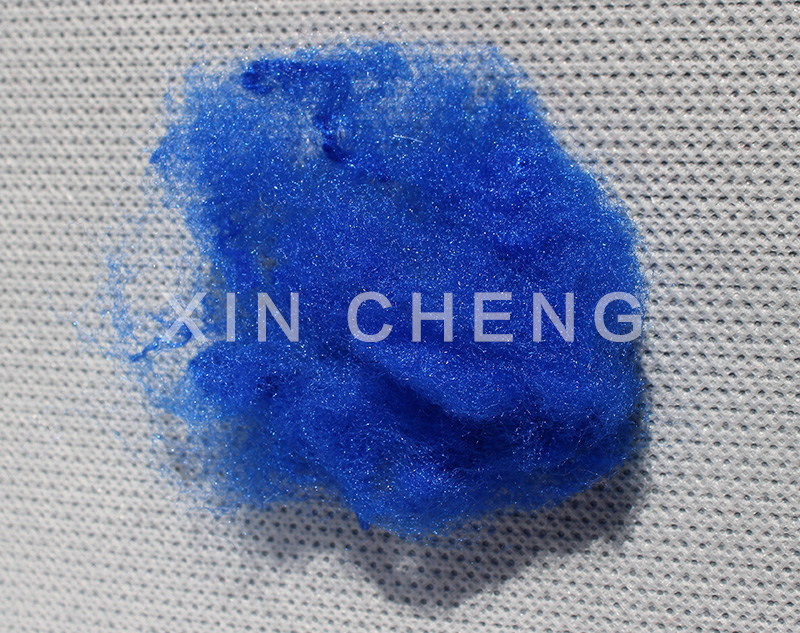
- Polypropylene staple fiber is a widely used synthetic fiber.
- Cambodia's export growth strengthens its linkage with China's PTA.

- Contact: Mr. Xie
- Telephone: 0086 - 18921987391
- Email: xiejingyu@xcfzp.cn
- Address:No. 20, Xinzha Middle Road, Suzhou City
Low cost and high performance: How does polypropylene staple fiber disrupt the traditional textile industry chain
In the traditional textile industry chain, the balance between cost and performance has always been the key factor restricting the development of the industry. With its unique advantages of low cost and high performance, polypropylene staple fiber is gradually becoming the core force driving industrial transformation.
The advantage of low cost reshapes the industrial pattern
Polypropylene staple fiber is made from propylene, a by-product of petroleum refining, and its raw material cost is much lower than that of traditional chemical fibers such as polyester and nylon. Meanwhile, the production process of polypropylene staple fiber is simple and the spinning temperature is relatively low, further reducing the manufacturing cost. This cost advantage enables it to quickly capture market share in price-sensitive markets such as sportswear and home textile products.
High-performance features break through application boundaries
The core absorption effect of Polypropylene staple fiber makes it an ideal choice for moisture-absorbing and sweat-wicking fabrics. Its moisture-conducting speed is three times faster than that of cotton fibers. It can quickly transfer sweat to the fabric surface for evaporation, keeping the skin dry. In addition, the wear resistance of polypropylene staple fiber is four times that of cotton fiber, and its UV resistance meets the UPF50+ standard. These characteristics make it show potential to replace traditional materials in fields such as outdoor equipment and medical protective clothing.
Technological innovation drives industrial upgrading
Through modification technology, the functionality of Polypropylene staple fiber has been continuously broken through. For example, after adding antibacterial masterbatches, the antibacterial rate of polypropylene fibers can reach 99%. After being compounded with graphene, the electrical conductivity is improved by 10 times and can be applied to smart wearable devices. These innovations not only expand the application scenarios of polypropylene staple fibers, but also promote the extension of the textile industry chain towards high added value.
Suzhou Xincheng Textile Co., Ltd. is located in the beautiful and fertile Suzhou City, close to developed large and medium-sized cities such as Shanghai, Wuxi, Nanjing, and Hangzhou. It has a unique economic environment and geographical location, and very convenient water and land transportation. The company currently has polyester staple fiber production lines and polypropylene staple fiber production lines, with more than 150 employees. The annual output of polyester staple fiber is 30,000 tons. It mainly produces: small and medium-sized chemical and viscose spinning; the annual output of polypropylene staple fiber is 16,000 tons. At the same time, we produce masterbatches and can provide customized services according to customer needs.
- Polypropylene staple fiber purchasing guide: Select the right raw materials for smoother p
- The demand for polypropylene staple fibers is stable, and downstream purchasers pay more a
- Understand the process characteristics of polypropylene staple fibers
- Trump's visit to China sends positive signals, and the export of textile and clothing as w
- Polypropylene staple fiber is a widely used synthetic fiber.
- Cambodia's export growth strengthens its linkage with China's PTA.