

- Polypropylene staple fiber purchasing guide: Select the right raw materials for smoother production
- The demand for polypropylene staple fibers is stable, and downstream purchasers pay more attention to the stability of batches.
- Understand the process characteristics of polypropylene staple fibers
- Trump's visit to China sends positive signals, and the export of textile and clothing as well as cotton prices are expected to fully recover.
- Polypropylene staple fiber is a widely used synthetic fiber.
- Cambodia's export growth strengthens its linkage with China's PTA.

- Contact: Mr. Xie
- Telephone: 0086 - 18921987391
- Email: xiejingyu@xcfzp.cn
- Address:No. 20, Xinzha Middle Road, Suzhou City
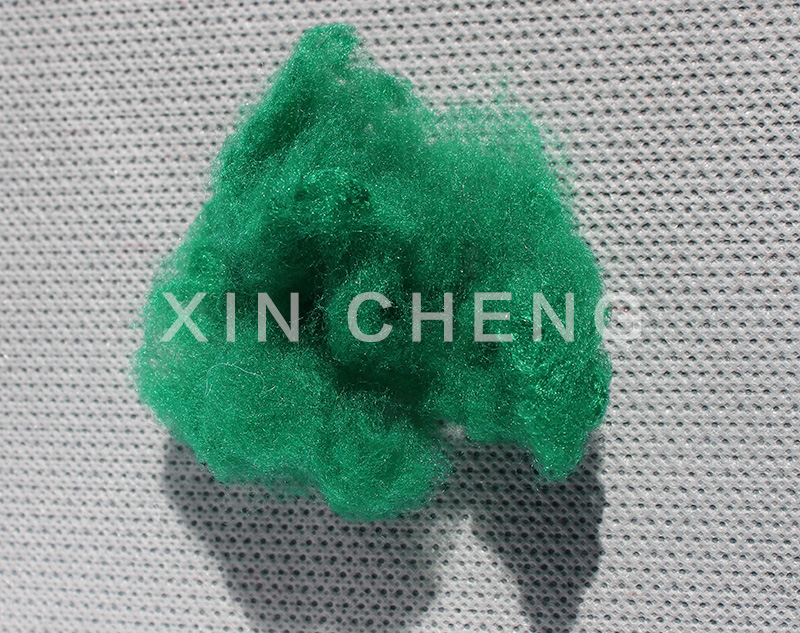
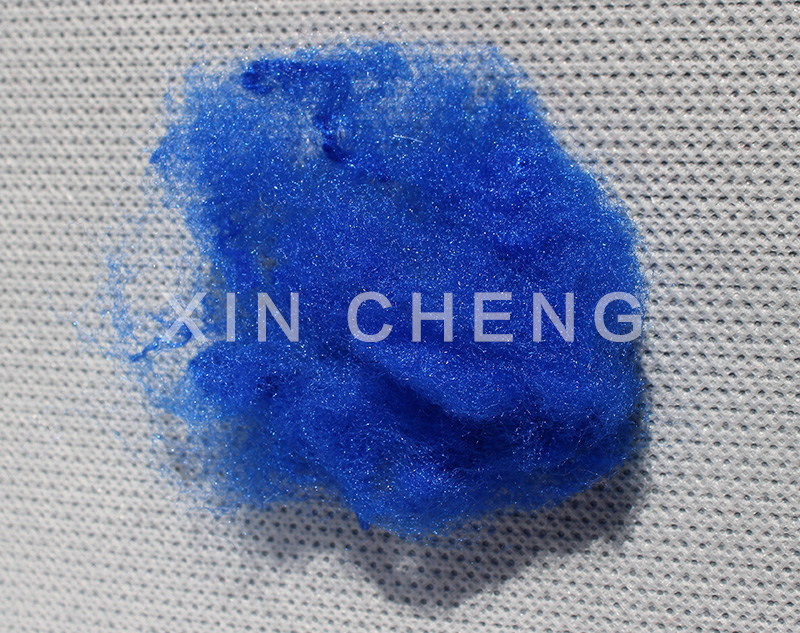
Among the synthetic fiber family, polypropylene staple fibers hold a significant position. They are mainly made from polypropylene and are produced through melt spinning and cutting. It is a common basic material for textiles and non-woven fabrics. Due to its numerous practical properties, polypropylene staple fibers have been stably applied in various industrial and consumer fields.
The core characteristics of polypropylene staple fibers stem from their chemical structure of polypropylene. This material is lightweight, with a density significantly lower than that of most common fibers, which brings a lightweight advantage to downstream products. In terms of physical properties, polypropylene staple fibers exhibit high strength and excellent wear resistance, resulting in good durability of the products. Additionally, it has outstanding resistance to acid and alkali and is resistant to mold, maintaining stable performance in humid environments and being less prone to corrosion or bacterial growth.
From the perspective of production and processing, the process adaptability of polypropylene staple fibers is quite strong. They can be used for pure spinning, and are also easy to be blended with other natural or chemical fibers, thereby improving the performance of the yarn or adjusting the feel and cost of the final fabric. In the non-woven fabric field, polypropylene staple fibers are commonly used as raw materials in processes such as needle punching and hot air reinforcement, and the processing is relatively smooth.
When it comes to specific applications, polypropylene staple fibers have a wide range of uses. In the industrial field, they are important raw materials for manufacturing filter materials, engineering geotextiles, and various wiping cloths. In daily textile products, they are commonly found in home decoration fabrics, carpet backing fabrics, and filling stuffing sheets, etc. Moreover, due to their fast-drying and water-repellent properties, they are also used in some functional clothing stuffing materials.
As a synthetic fiber, its environmental-friendly properties have also attracted attention. The polypropylene staple fiber itself can be recycled and reused, which is in line with the concept of resource recycling. The industry is also continuously exploring more environmentally friendly production methods and degradation technologies to meet the demands of sustainable development.
- Polypropylene staple fiber purchasing guide: Select the right raw materials for smoother p
- The demand for polypropylene staple fibers is stable, and downstream purchasers pay more a
- Understand the process characteristics of polypropylene staple fibers
- Trump's visit to China sends positive signals, and the export of textile and clothing as w
- Polypropylene staple fiber is a widely used synthetic fiber.
- Cambodia's export growth strengthens its linkage with China's PTA.