

- Polypropylene staple fiber purchasing guide: Select the right raw materials for smoother production
- The demand for polypropylene staple fibers is stable, and downstream purchasers pay more attention to the stability of batches.
- Understand the process characteristics of polypropylene staple fibers
- Trump's visit to China sends positive signals, and the export of textile and clothing as well as cotton prices are expected to fully recover.
- Polypropylene staple fiber is a widely used synthetic fiber.
- Cambodia's export growth strengthens its linkage with China's PTA.

- Contact: Mr. Xie
- Telephone: 0086 - 18921987391
- Email: xiejingyu@xcfzp.cn
- Address:No. 20, Xinzha Middle Road, Suzhou City
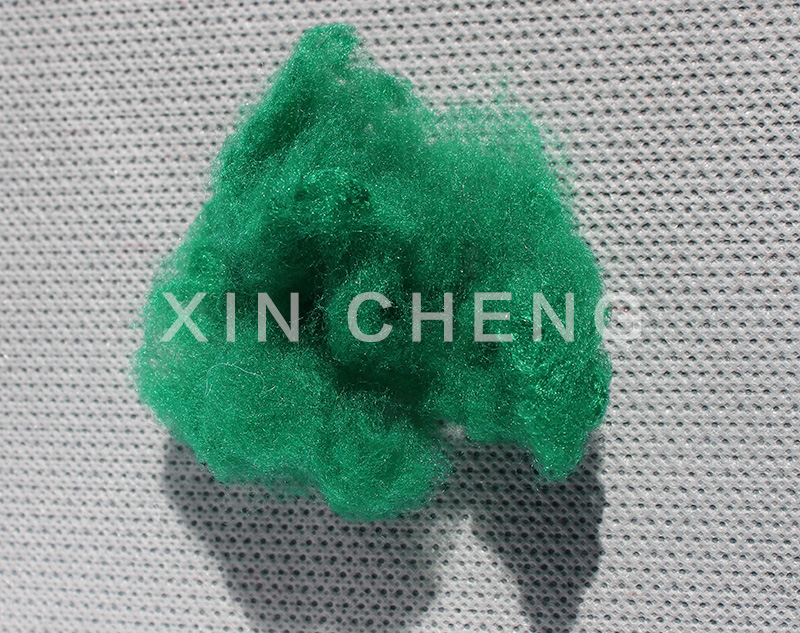
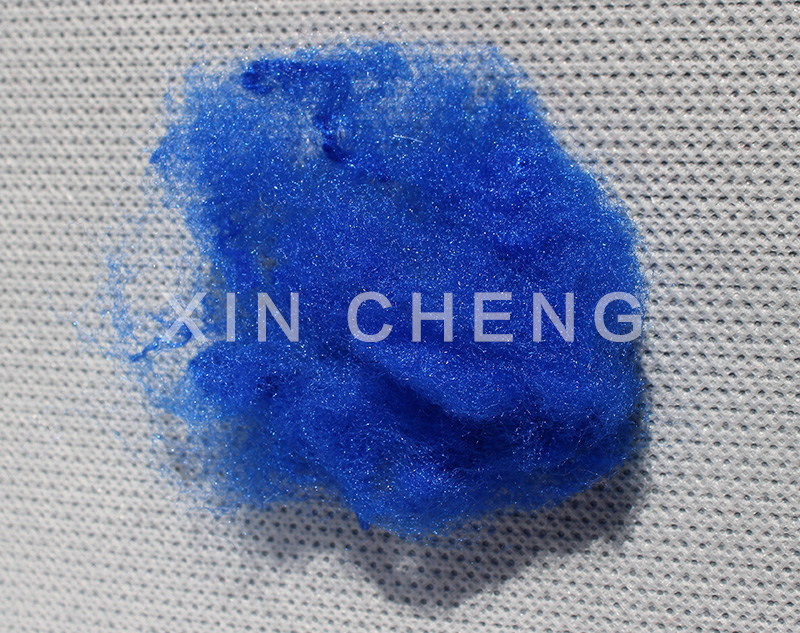
Polypropylene staple fibers are synthetic fiber varieties made from polypropylene. They are processed through melt spinning and cutting techniques. This fiber material has the characteristics of low density and low moisture absorption rate. In practical applications, it demonstrates excellent practical value. The production process of polypropylene staple fibers is relatively mature. By adjusting the spinning parameters, different specifications of fiber products can be obtained.
In terms of physical properties, Polypropylene staple fibers have strong resistance to acids and alkalis, and show stability towards most chemical reagents. Their moisture absorption capacity is relatively weak, which enables polypropylene staple fiber products to maintain their original shape even in humid environments. The thermal insulation performance of polypropylene staple fibers is particularly prominent, and the fiber itself has good electrical insulation properties. These characteristics lay the foundation for the application of polypropylene staple fibers in multiple fields.
Polypropylene staple fibers are widely used in the textile industry. In industrial textiles, polypropylene staple fibers are often used to produce filtration materials, geotextiles, and other products. In the household textiles sector, polypropylene staple fibers are used as filling materials, such as for the fillers of cushions and dolls. In non-woven fabric production, polypropylene staple fibers are also extensively utilized, being combined through heat bonding or needle-punching processes to create various materials for various purposes.
Polypropylene staple fibers have application value in the manufacturing of hygiene materials. The absorbent core materials produced using polypropylene staple fibers are widely used in the manufacturing of hygiene products. Their quick-drying property enables these products to meet specific usage requirements. Polypropylene staple fibers can also be blended with other fibers to improve the performance of the final products.
From the perspective of industry development trends, the production of polypropylene staple fibers is moving towards a functional direction. By adding modified masterbatches or adopting special spinning processes, the polypropylene staple fibers can be endowed with additional functions such as antibacterial and flame retardancy. With the increasing environmental protection requirements, the recycling and utilization technology of polypropylene staple fibers has also received more attention. Enterprises optimize their production processes to reduce energy consumption and enhance the market competitiveness of polypropylene staple fiber products.
The application scope of polypropylene staple fibers is still expanding. In areas such as automotive interiors and building insulation, the use of polypropylene staple fiber products is gradually increasing. Continuous product research and development helps to uncover the application potential of polypropylene staple fibers in more specialized markets.
Suzhou Xincheng Textile Co., Ltd. is located in the beautiful and fertile Suzhou City, close to developed large and medium-sized cities such as Shanghai, Wuxi, Nanjing, and Hangzhou. It has a unique economic environment and geographical location, and very convenient water and land transportation. The company currently has polyester staple fiber production lines and polypropylene staple fiber production lines, with more than 150 employees. The annual output of polyester staple fiber is 30,000 tons. It mainly produces: small and medium-sized chemical and viscose spinning; the annual output of polypropylene staple fiber is 16,000 tons. At the same time, we produce masterbatches and can provide customized services according to customer needs.
- Polypropylene staple fiber purchasing guide: Select the right raw materials for smoother p
- The demand for polypropylene staple fibers is stable, and downstream purchasers pay more a
- Understand the process characteristics of polypropylene staple fibers
- Trump's visit to China sends positive signals, and the export of textile and clothing as w
- Polypropylene staple fiber is a widely used synthetic fiber.
- Cambodia's export growth strengthens its linkage with China's PTA.