

- Polypropylene staple fiber purchasing guide: Select the right raw materials for smoother production
- The demand for polypropylene staple fibers is stable, and downstream purchasers pay more attention to the stability of batches.
- Understand the process characteristics of polypropylene staple fibers
- Trump's visit to China sends positive signals, and the export of textile and clothing as well as cotton prices are expected to fully recover.
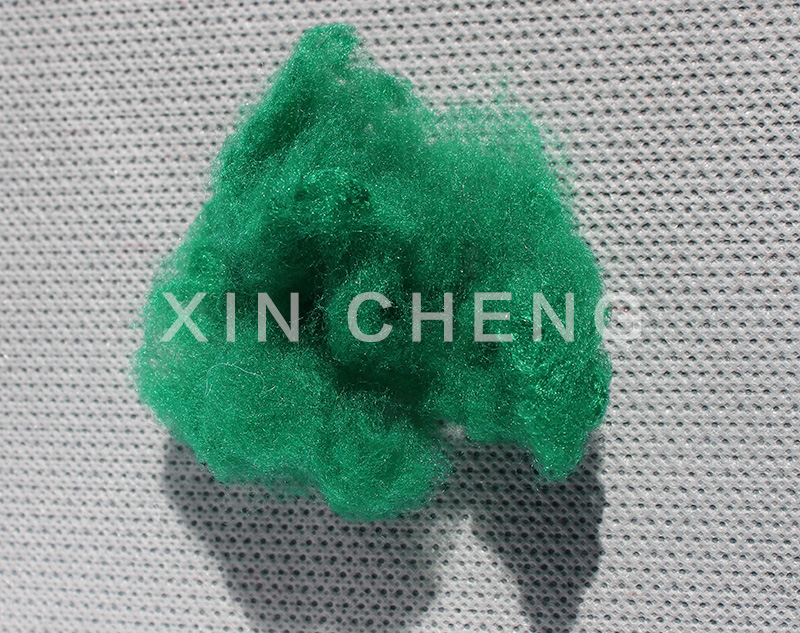
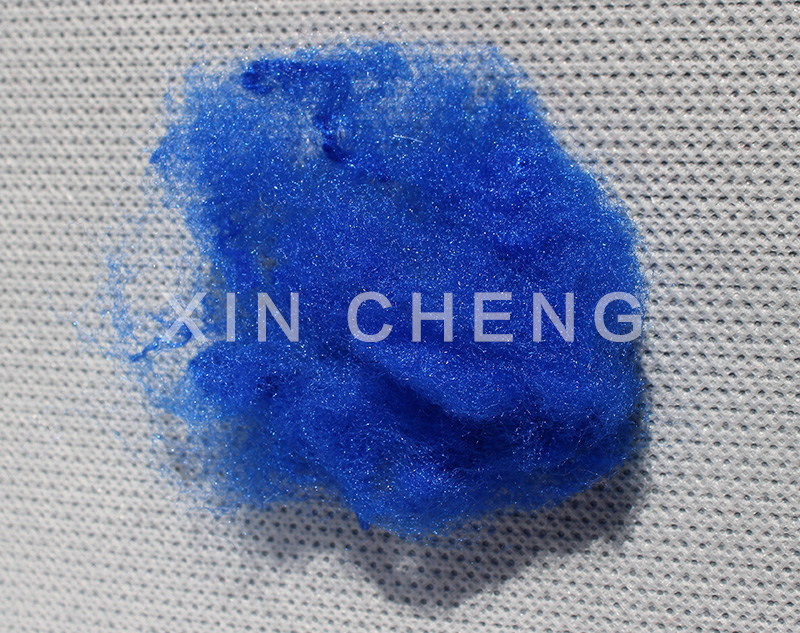
- Polypropylene staple fiber is a widely used synthetic fiber.
- Cambodia's export growth strengthens its linkage with China's PTA.

- Contact: Mr. Xie
- Telephone: 0086 - 18921987391
- Email: xiejingyu@xcfzp.cn
- Address:No. 20, Xinzha Middle Road, Suzhou City
Polypropylene staple fiber, scientifically known as polypropylene fiber, has significant advantages in many aspects, which make it widely used in various fields.
Lightweight and high strength
The density of Polypropylene staple fiber is relatively low, usually ranging from 0.9 to 0.92g/cm .
It has a relatively high strength, with the same strength in both dry and wet states. It also has good wear resistance and resilience. Its strength is close to that of nylon and polyester, and its wear resistance is better than that of polyester but inferior to that of nylon. This gives polypropylene staple fiber a significant advantage in the production of materials that require light weight and high strength, such as automotive interiors and packaging materials.
Wear-resistant and durable
Polypropylene staple fiber has excellent wear resistance and is often used to make wear-resistant and durable products, such as carpets, filter materials and ropes, etc.
Its fabric size is stable, the fabric is firm and durable, elastic, and not prone to aging or brittleness.
Chemical corrosion resistance:
Polypropylene staple fiber has excellent chemical stability and alkali resistance, and can maintain stability in harsh environments.
It also has certain antibacterial, anti-mold and bacteriostatic capabilities, and is suitable for making protective fabrics and work clothes for various industries.
Low manufacturing cost
The production cost of polypropylene staple fiber is relatively low, making it competitive in price.
Widely applied:
Polypropylene staple fiber can not only be used in the textile field, but also in multiple fields such as building materials, packaging, and medical care. For instance, it can be used to manufacture concrete reinforced nets, waterproof materials, hygiene products, etc.
Suzhou Xincheng Textile Co., Ltd. is located in the beautiful and fertile Suzhou City, close to developed large and medium-sized cities such as Shanghai, Wuxi, Nanjing, and Hangzhou. It has a unique economic environment and geographical location, and very convenient water and land transportation. The company currently has polyester staple fiber production lines and polypropylene staple fiber production lines, with more than 150 employees. The annual output of polyester staple fiber is 30,000 tons. It mainly produces: small and medium-sized chemical and viscose spinning; the annual output of polypropylene staple fiber is 16,000 tons. At the same time, we produce masterbatches and can provide customized services according to customer needs.
- Polypropylene staple fiber purchasing guide: Select the right raw materials for smoother p
- The demand for polypropylene staple fibers is stable, and downstream purchasers pay more a
- Understand the process characteristics of polypropylene staple fibers
- Trump's visit to China sends positive signals, and the export of textile and clothing as w
- Polypropylene staple fiber is a widely used synthetic fiber.
- Cambodia's export growth strengthens its linkage with China's PTA.