

- Guide for Selecting polypropylene staple fiber and Polyester Fiber!
- Polypropylene staple fiber - the multifunctional synthetic fiber that empowers modern industry!
- How to distinguish between polypropylene staple fibers and long fibers?
- Polypropylene filament production process and application: Xincheng's customized solution
- The functional characteristics of polypropylene staple fibers in the fields of engineering and home furnishings
- The practical applications of polypropylene staple fibers in engineering and home decoration fields

- Contact: Mr. Xie
- Telephone: 0086 - 18921987391
- Email: xiejingyu@xcfzp.cn
- Address:No. 20, Xinzha Middle Road, Suzhou City
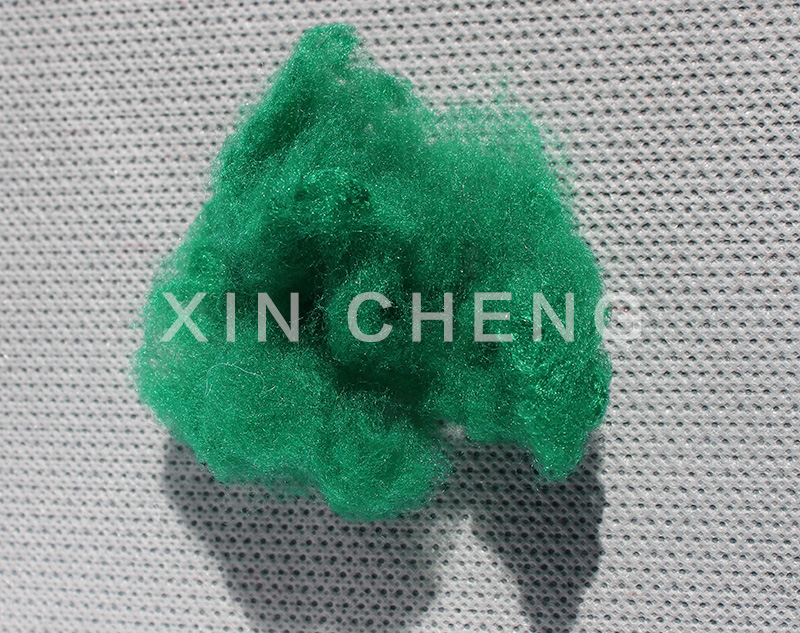
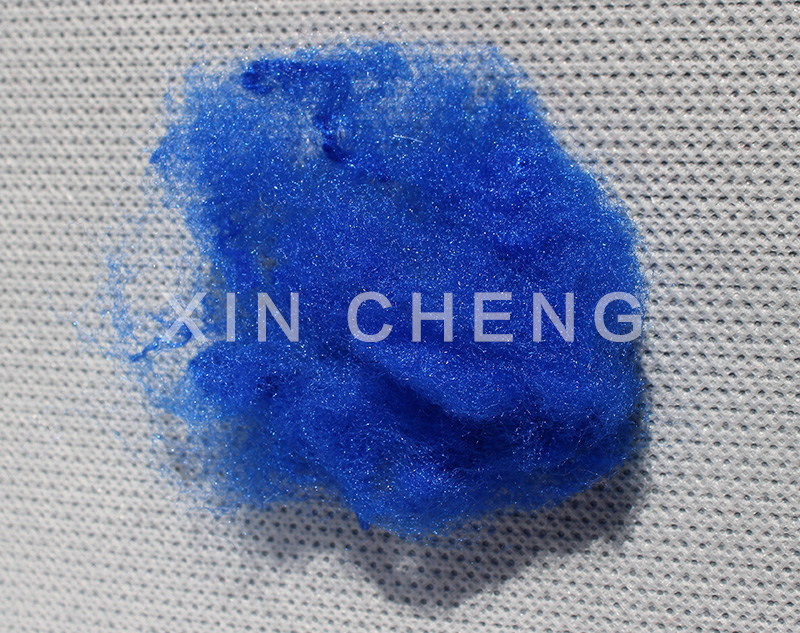
Polypropylene staple fiber, also known as PP fiber or polypropylene. Polypropylene staple fiber is made from polypropylene as raw material through a one-step short-path spinning process. Polypropylene began industrial production in 1957. As the raw material only requires propylene, which is relatively abundant and inexpensive, and the production process is simple, it is currently one of the cheaper synthetic fibers. Polypropylene has excellent performance and a relatively fast development speed. Worldwide, its output is second only to polyester, nylon, acrylic, etc.
During the production of Polypropylene staple fibers, functional masterbatches such as anti-aging masterbatches and flame-retardant masterbatches can be added as needed to enhance the performance of polypropylene staple fibers. Polypropylene staple fiber for felt is a type of polypropylene staple fiber specifically used for manufacturing felt and is applied as filter material.
The characteristics of Polypropylene staple fiber: Polypropylene staple fiber has a low density, is lightweight and can float on water. The strength of polypropylene colored yarn is high and its tensile resistance is strong. Polypropylene staple fiber has certain resistance to acids, alkalis and corrosion. Even if it is soaked in seawater, there is no need to worry. Polypropylene staple fiber has low moisture absorption and almost no moisture absorption. Polypropylene staple fiber is an environmentally friendly and pollution-free product.
Suzhou Xincheng Textile Co., Ltd. is located in the beautiful and fertile Suzhou City, close to developed large and medium-sized cities such as Shanghai, Wuxi, Nanjing, and Hangzhou. It has a unique economic environment and geographical location, and very convenient water and land transportation. The company currently has polyester staple fiber production lines and polypropylene staple fiber production lines, with more than 150 employees. The annual output of polyester staple fiber is 30,000 tons. It mainly produces: small and medium-sized chemical and viscose spinning; the annual output of polypropylene staple fiber is 16,000 tons. At the same time, we produce masterbatches and can provide customized services according to customer needs.
The company can also tailor-make various personalized short fibers and masterbatch according to the different needs of customers. The company has strong technical force, 19 years of skilled craftsmanship and advanced quality control management system. It has a certain reputation in the market and its products are best-selling Many countries and regions around the world.
- Guide for Selecting polypropylene staple fiber and Polyester Fiber!
- Polypropylene staple fiber - the multifunctional synthetic fiber that empowers modern indu
- How to distinguish between polypropylene staple fibers and long fibers?
- Polypropylene filament production process and application: Xincheng's customized solution
- The functional characteristics of polypropylene staple fibers in the fields of engineering
- The practical applications of polypropylene staple fibers in engineering and home decorati
- Overcoming the employment crisis in the textile industry and reshaping a new stable employ