

- Polypropylene staple fiber purchasing guide: Select the right raw materials for smoother production
- The demand for polypropylene staple fibers is stable, and downstream purchasers pay more attention to the stability of batches.
- Understand the process characteristics of polypropylene staple fibers
- Trump's visit to China sends positive signals, and the export of textile and clothing as well as cotton prices are expected to fully recover.
- Polypropylene staple fiber is a widely used synthetic fiber.
- Cambodia's export growth strengthens its linkage with China's PTA.

- Contact: Mr. Xie
- Telephone: 0086 - 18921987391
- Email: xiejingyu@xcfzp.cn
- Address:No. 20, Xinzha Middle Road, Suzhou City
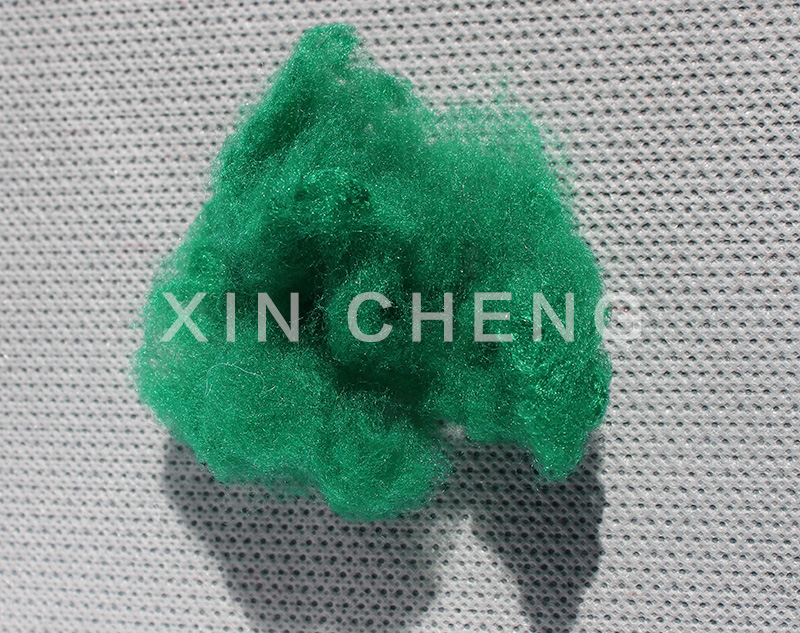
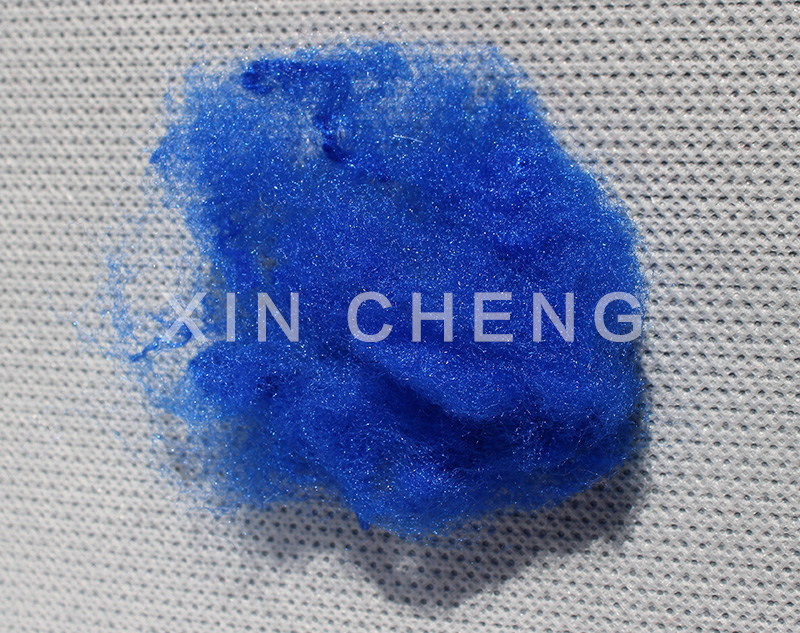
In recent years, the textile industry has faced increasing pressure to adopt eco-friendly practices, and recycled polyester staple fiber has emerged as a key material in this transformation. Derived from post-consumer plastic waste, such as PET bottles, this fiber offers a sustainable alternative to virgin polyester while maintaining similar performance characteristics.
One of the most significant advantages of recycled polyester staple fiber is its environmental impact. By repurposing plastic waste, it reduces landfill accumulation and lowers carbon emissions compared to traditional polyester production. Additionally, the manufacturing process consumes less energy and water, making it a more sustainable choice for brands committed to reducing their ecological footprint.
The versatility of recycled polyester staple fiber makes it suitable for various applications, including clothing, home textiles, and industrial fabrics. Its durability, moisture-wicking properties, and resistance to wrinkles ensure that products made from this material meet high-performance standards. Moreover, as consumer demand for sustainable products grows, many fashion brands are incorporating this fiber into their collections to appeal to environmentally conscious buyers.
Despite its benefits, challenges remain in scaling the production of recycled polyester staple fiber, such as ensuring consistent quality and improving recycling infrastructure. However, with continued innovation and investment, this material has the potential to play a pivotal role in creating a circular economy within the textile industry.
Suzhou Xincheng Textile Co., Ltd. is located in the beautiful and fertile Suzhou City, close to developed large and medium-sized cities such as Shanghai, Wuxi, Nanjing, and Hangzhou. It has a unique economic environment and geographical location, and very convenient water and land transportation. The company currently has polyester staple fiber production lines and polypropylene staple fiber production lines, with more than 150 employees. The annual output of polyester staple fiber is 30,000 tons. It mainly produces: small and medium-sized chemical and viscose spinning; the annual output of polypropylene staple fiber is 16,000 tons. At the same time, we produce masterbatches and can provide customized services according to customer needs.
The company can also tailor-make various personalized short fibers and masterbatch according to the different needs of customers. The company has strong technical force, 19 years of skilled craftsmanship and advanced quality control management system. It has a certain reputation in the market and its products are best-selling Many countries and regions around the world.
- Polypropylene staple fiber purchasing guide: Select the right raw materials for smoother p
- The demand for polypropylene staple fibers is stable, and downstream purchasers pay more a
- Understand the process characteristics of polypropylene staple fibers
- Trump's visit to China sends positive signals, and the export of textile and clothing as w
- Polypropylene staple fiber is a widely used synthetic fiber.
- Cambodia's export growth strengthens its linkage with China's PTA.