

- Polypropylene staple fiber purchasing guide: Select the right raw materials for smoother production
- The demand for polypropylene staple fibers is stable, and downstream purchasers pay more attention to the stability of batches.
- Understand the process characteristics of polypropylene staple fibers
- Trump's visit to China sends positive signals, and the export of textile and clothing as well as cotton prices are expected to fully recover.
- Polypropylene staple fiber is a widely used synthetic fiber.
- Cambodia's export growth strengthens its linkage with China's PTA.

- Contact: Mr. Xie
- Telephone: 0086 - 18921987391
- Email: xiejingyu@xcfzp.cn
- Address:No. 20, Xinzha Middle Road, Suzhou City
How many steps are involved in the production process of polypropylene staple fiber?
Polypropylene staple fiber is made from polypropylene as raw material through processes such as melting, drawing, spinning and cutting.
During the production of Polypropylene staple fibers, functional masterbatches such as anti-aging masterbatches and flame-retardant masterbatches can be added as needed to enhance the performance of polypropylene staple fibers. Polypropylene staple fiber for felt is a type of polypropylene staple fiber specifically designed for making felt and is used in filter materials.
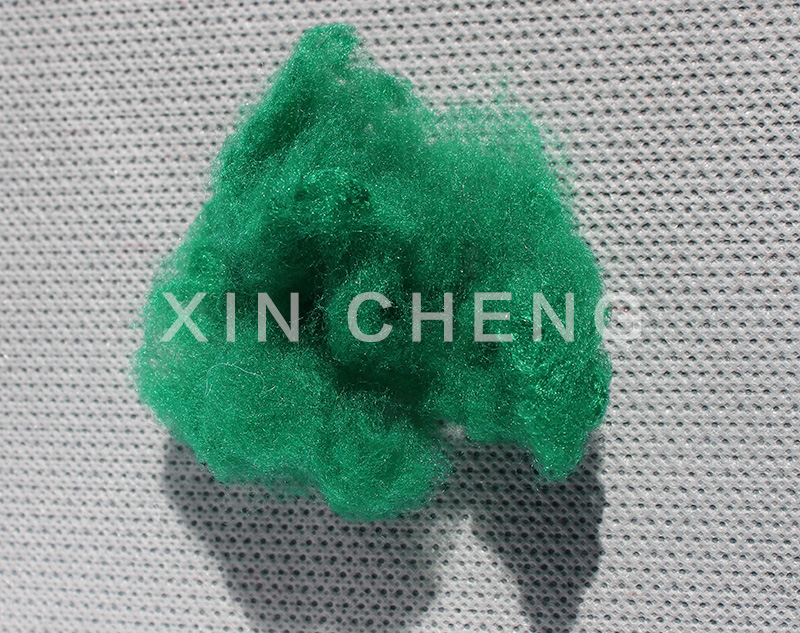
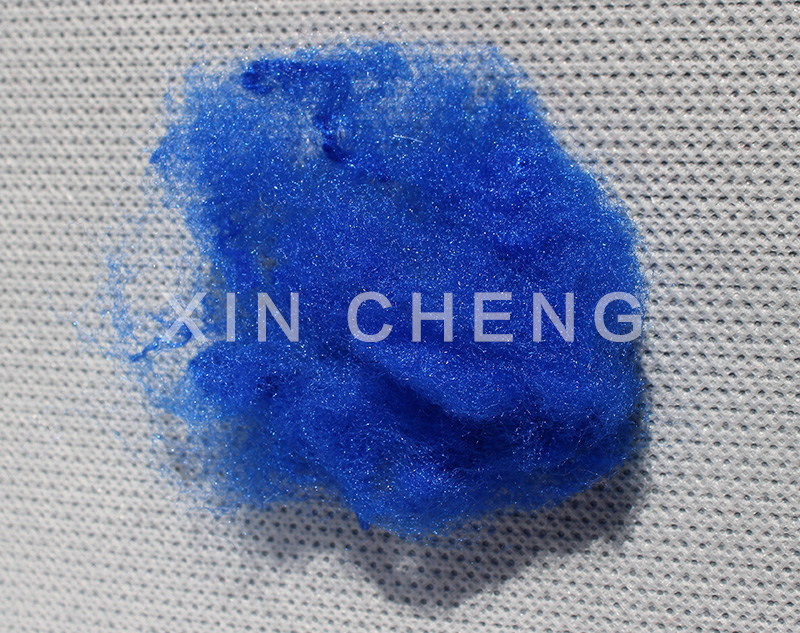
The characteristics of Polypropylene staple fiber: Polypropylene staple fiber has a low density, is lightweight, and can float on water. Polypropylene colored yarn has high strength and strong tensile resistance. Polypropylene staple fibers have certain resistance to acids, alkalis and corrosion. Even if they are soaked in seawater, there is no need to worry. Polypropylene staple fiber has low moisture absorption and hardly absorbs moisture at all. Polypropylene staple fiber is an environmentally friendly and pollution-free product.
Polypropylene staple fibers can be classified into cotton type, wool type, carpet type and medium-long type short fibers according to the specifications of natural fibers. They can be spun alone or blended with natural fibers or other fibers in different proportions to make yarns, fabrics and felts. For instance, general-purpose asphalt carbon fibers are cut into 150mm long pieces with a diameter of 15μm, a strength of 800MPa, and a modulus of 41GPa. These are then mixed with phenolic carbon fibers (70mm in length, 200MPa in strength, and 14μm in diameter) in an 8:2 ratio to produce stable and uniform yarns. Woven into fabrics of various shapes or cut into fibers for use as reinforcing materials in composite materials such as cement and aluminum alloys.
- Polypropylene staple fiber purchasing guide: Select the right raw materials for smoother p
- The demand for polypropylene staple fibers is stable, and downstream purchasers pay more a
- Understand the process characteristics of polypropylene staple fibers
- Trump's visit to China sends positive signals, and the export of textile and clothing as w
- Polypropylene staple fiber is a widely used synthetic fiber.
- Cambodia's export growth strengthens its linkage with China's PTA.