

- Polypropylene staple fiber purchasing guide: Select the right raw materials for smoother production
- The demand for polypropylene staple fibers is stable, and downstream purchasers pay more attention to the stability of batches.
- Understand the process characteristics of polypropylene staple fibers
- Trump's visit to China sends positive signals, and the export of textile and clothing as well as cotton prices are expected to fully recover.
- Polypropylene staple fiber is a widely used synthetic fiber.
- Cambodia's export growth strengthens its linkage with China's PTA.

- Contact: Mr. Xie
- Telephone: 0086 - 18921987391
- Email: xiejingyu@xcfzp.cn
- Address:No. 20, Xinzha Middle Road, Suzhou City
Among various synthetic fibers, polypropylene staple fiber may not be as well-known as polyester and nylon, but it plays an indispensable "all-rounder" role in many industrial and civilian fields due to its unique properties. So, what exactly is polypropylene staple fiber? What are its outstanding features?
Get to know polypropylene staple fiber
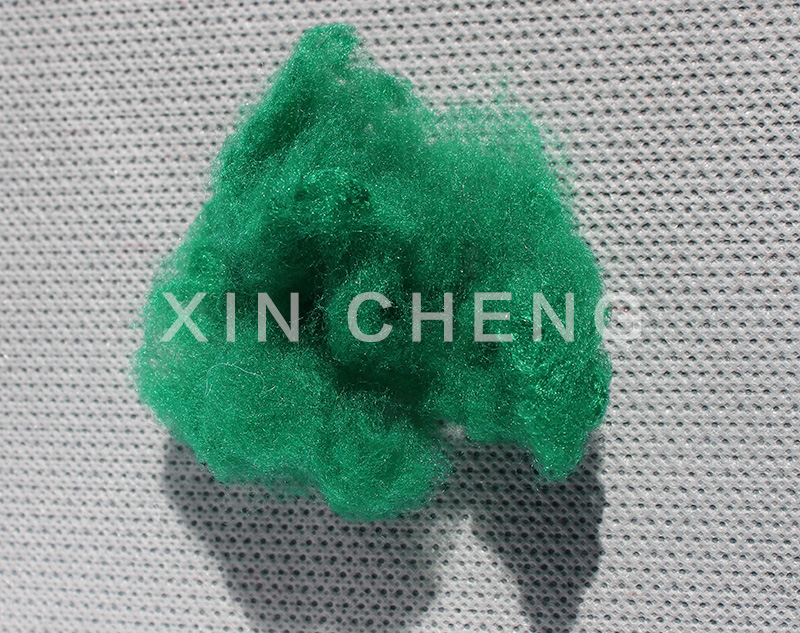
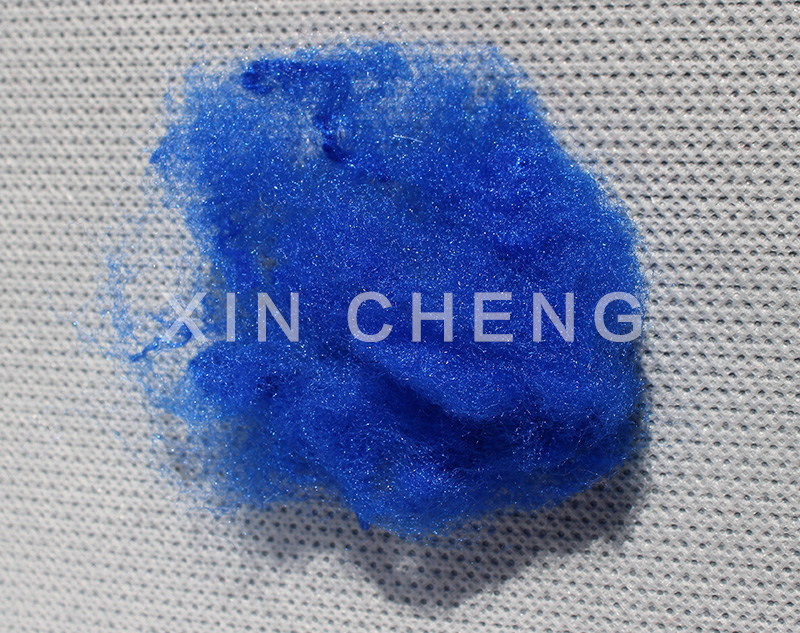
Polypropylene staple fiber is made from polypropylene as raw material. After melt spinning and stretching, it is cut into short fibers of specific lengths. It is usually a few millimeters to tens of millimeters in length, as loose as cotton, but also has the strength of synthetic fibers. This form enables it to adapt to traditional spinning processes and also be directly used in the production of nonwoven fabrics.
The core advantages of polypropylene staple fiber:
Lightweight and strong: Polypropylene is one of the common fibers with a relatively low density and can float on water. Meanwhile, it has high strength and the products made from it are durable.
Hydrophobic moisture conduction: polypropylene staple fibers themselves do not absorb water, but they have an excellent core absorption effect, which can quickly conduct moisture along the fiber surface, keeping the contact surface dry.
Chemical resistance: It has excellent resistance to acids, alkalis and other chemical substances, is not easily corroded, and is suitable for use in special industrial environments.
Environmentally friendly and recyclable: The raw material sources are abundant and can be recycled and reused, which conforms to the modern environmental protection trend.
Wide application fields
In the textile field: Blended with other fibers (such as cotton and viscose), it is used to make sportswear, underwear, socks, etc., enhancing the moisture-wicking and sweat-wicking functions of the fabric as well as its wear resistance.
Non-woven fabric field: This is its extremely large application market. It is used for the production of hygiene materials (such as the surface layer and flow guide layer of diapers and sanitary napkins), medical supplies, household wiping cloths, geotextiles, etc.
Filling material: Due to its fluffiness and pressure resistance, it is often used as a filling material for sofas, cushions and toys.
- Polypropylene staple fiber purchasing guide: Select the right raw materials for smoother p
- The demand for polypropylene staple fibers is stable, and downstream purchasers pay more a
- Understand the process characteristics of polypropylene staple fibers
- Trump's visit to China sends positive signals, and the export of textile and clothing as w
- Polypropylene staple fiber is a widely used synthetic fiber.
- Cambodia's export growth strengthens its linkage with China's PTA.