

- Polypropylene staple fiber purchasing guide: Select the right raw materials for smoother production
- The demand for polypropylene staple fibers is stable, and downstream purchasers pay more attention to the stability of batches.
- Understand the process characteristics of polypropylene staple fibers
- Trump's visit to China sends positive signals, and the export of textile and clothing as well as cotton prices are expected to fully recover.
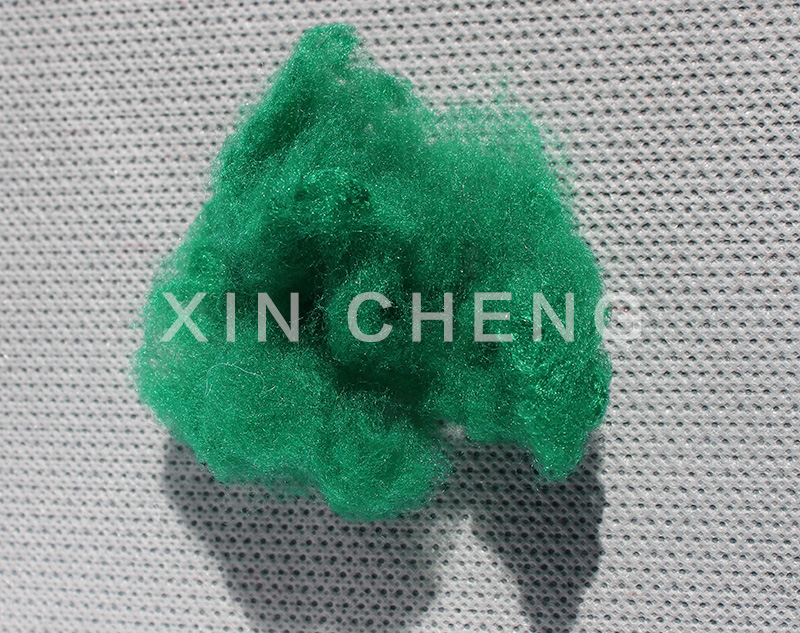
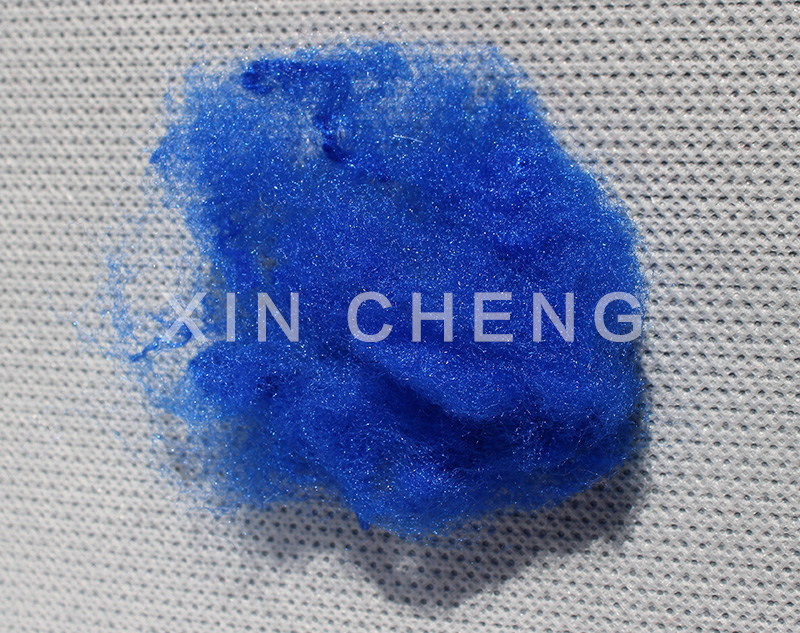
- Polypropylene staple fiber is a widely used synthetic fiber.
- Cambodia's export growth strengthens its linkage with China's PTA.

- Contact: Mr. Xie
- Telephone: 0086 - 18921987391
- Email: xiejingyu@xcfzp.cn
- Address:No. 20, Xinzha Middle Road, Suzhou City
The quality and performance of polypropylene staple fiber directly depend on the advancement of its production process. From polypropylene particles to the final short fiber products, a series of precisely controlled processes are required, and each link is related to the final quality of the fibers.
The standard production process mainly includes melt spinning, drawing, coiling, heat setting and cutting. Firstly, the polypropylene chips are dried and then sent into the screw extruder for heating and melting. They are precisely conveyed to the spinning assembly through metering pumps and extruded from the spinneret to become primary fibers. Subsequently, the fibers are stretched under high-speed airflow. This process is called stretching, which orientations the macromolecular chains along the fiber axis, thereby significantly enhancing the strength of the fibers. Next, the fibers are given a certain degree of curl to increase the cohesion between them, which is crucial for the subsequent textile processing. The heat setting process can eliminate internal stress and stabilize the size of the fibers. Finally, in accordance with the demands of downstream applications, the continuous filament bundles are cut into short fibers of specific lengths.
With the advancement of technology, the production of polypropylene staple fibers is moving towards a more efficient and environmentally friendly direction. Differentiation and functionalization are the main trends in the future. For instance, by adding additives to produce anti-aging, anti-static or flame-retardant polypropylene staple fibers, the demands of more segmented markets can be met. Globally, the pursuit of high-performance and low-cost materials, as well as the tightening of environmental protection policies, have brought new opportunities to the polypropylene staple fiber industry. Its application depth and breadth in fields such as textiles, engineering construction, and filter materials will continue to expand, and the market prospects are very broad.
- Polypropylene staple fiber purchasing guide: Select the right raw materials for smoother p
- The demand for polypropylene staple fibers is stable, and downstream purchasers pay more a
- Understand the process characteristics of polypropylene staple fibers
- Trump's visit to China sends positive signals, and the export of textile and clothing as w
- Polypropylene staple fiber is a widely used synthetic fiber.
- Cambodia's export growth strengthens its linkage with China's PTA.