

- Polypropylene staple fiber purchasing guide: Select the right raw materials for smoother production
- The demand for polypropylene staple fibers is stable, and downstream purchasers pay more attention to the stability of batches.
- Understand the process characteristics of polypropylene staple fibers
- Trump's visit to China sends positive signals, and the export of textile and clothing as well as cotton prices are expected to fully recover.
- Polypropylene staple fiber is a widely used synthetic fiber.
- Cambodia's export growth strengthens its linkage with China's PTA.

- Contact: Mr. Xie
- Telephone: 0086 - 18921987391
- Email: xiejingyu@xcfzp.cn
- Address:No. 20, Xinzha Middle Road, Suzhou City
Among various synthetic fiber materials, polypropylene staple fiber is gradually becoming the focus of attention in both industrial and civilian fields due to its unique properties and wide range of applications. So, what exactly is Polypropylene staple fiber? What advantages does it have? Which industries can it bring about changes to? This article will take you on a deep dive into this practical material.
The core characteristics of polypropylene staple fiber
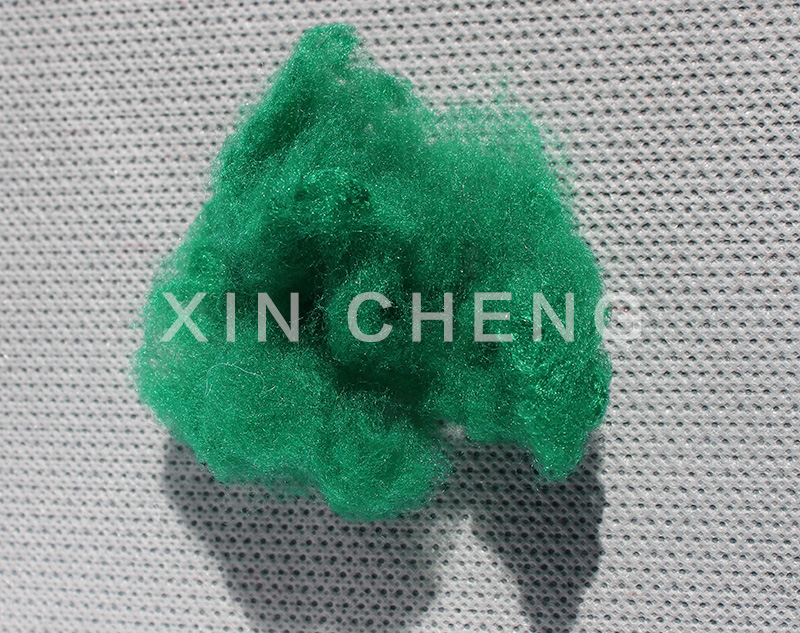
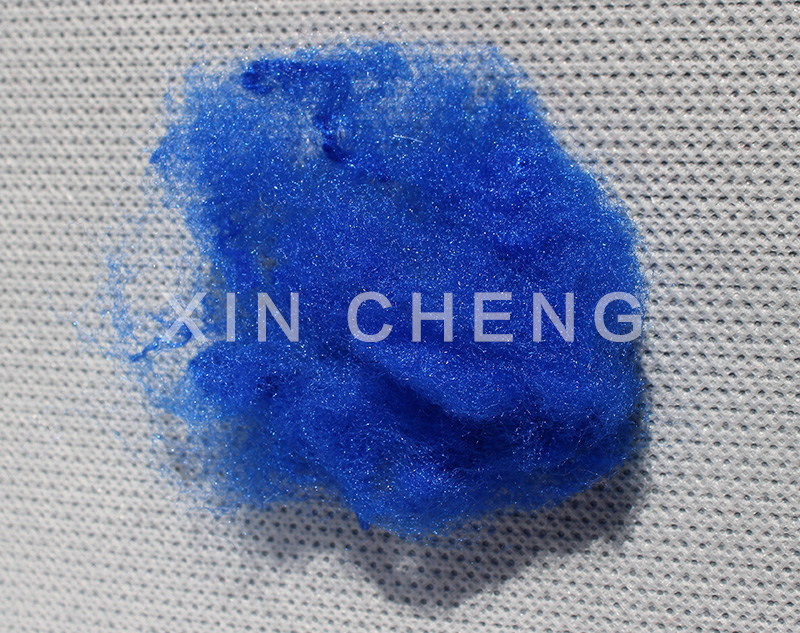
Polypropylene staple fiber is a short fiber made from polypropylene as raw material through melt spinning and then cutting. Its length is usually controlled between a few millimeters and tens of millimeters, and the specifications can be flexibly adjusted according to the application. The most prominent feature of this material lies in:
Lightweight and high strength: With a density of only 0.91g/cm, it is lighter than traditional fibers, yet its strength is extremely outstanding
Chemical stability: Resistant to acids and alkalis, and corrosion, it can maintain stable performance even in complex environments
Hydrophobic and moisture-conducting: It hardly absorbs water but can conduct moisture through the capillary effect
Environmental advantages: Low production energy consumption, recyclable and reusable, meeting the requirements of green manufacturing
Main application fields
Textile industry: Blended with natural fibers such as cotton and linen, it is used to make denim, decorative fabrics, etc., significantly enhancing the wear resistance and dimensional stability of the fabric
Nonwoven fabric: As the raw material for spunlace and needle-punched nonwoven fabrics, it is widely used in wet wipes, filter materials and other fields
Construction engineering: Added to concrete, it effectively controls the formation of cracks and enhances the durability of the project
Home filling: An ideal choice for sofa cushions and doll fillers, with good resilience and not prone to clumping
Industrial materials: Base materials for manufacturing industrial blankets, insulating materials, etc., with stable and reliable performance
- Polypropylene staple fiber purchasing guide: Select the right raw materials for smoother p
- The demand for polypropylene staple fibers is stable, and downstream purchasers pay more a
- Understand the process characteristics of polypropylene staple fibers
- Trump's visit to China sends positive signals, and the export of textile and clothing as w
- Polypropylene staple fiber is a widely used synthetic fiber.
- Cambodia's export growth strengthens its linkage with China's PTA.