

- Polypropylene staple fiber purchasing guide: Select the right raw materials for smoother production
- The demand for polypropylene staple fibers is stable, and downstream purchasers pay more attention to the stability of batches.
- Understand the process characteristics of polypropylene staple fibers
- Trump's visit to China sends positive signals, and the export of textile and clothing as well as cotton prices are expected to fully recover.
- Polypropylene staple fiber is a widely used synthetic fiber.
- Cambodia's export growth strengthens its linkage with China's PTA.

- Contact: Mr. Xie
- Telephone: 0086 - 18921987391
- Email: xiejingyu@xcfzp.cn
- Address:No. 20, Xinzha Middle Road, Suzhou City
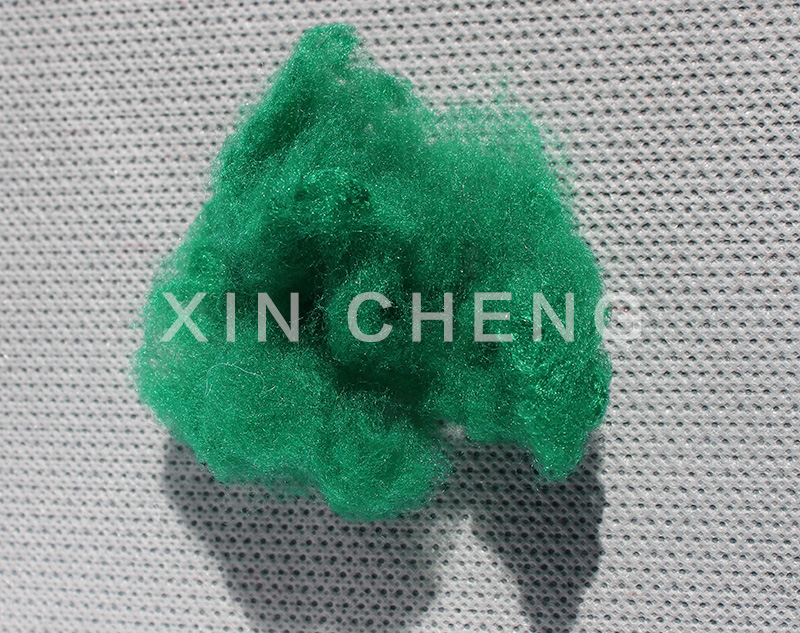
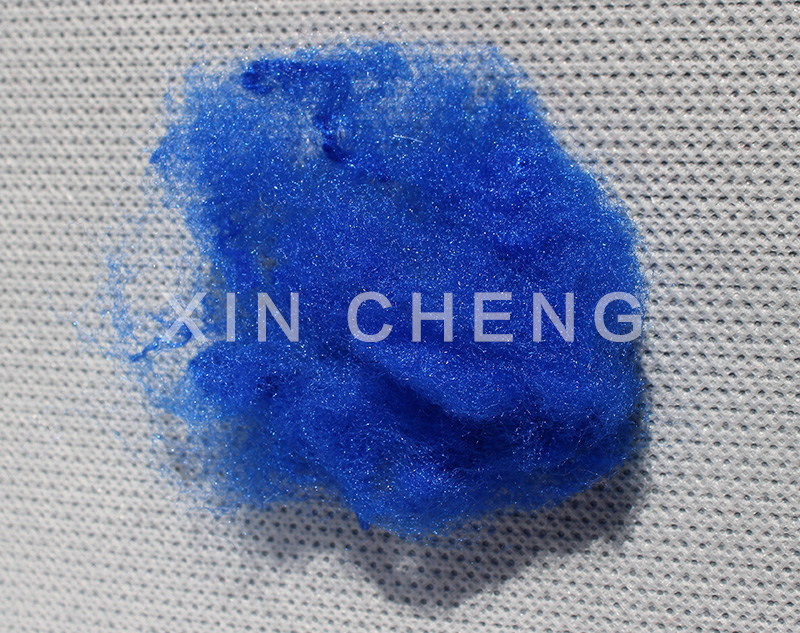
Polypropylene staple fiber, a prominent category of synthetic fibers, plays a vital role in numerous industries. As a specialized manufacturer, Suzhou Xincheng Textile Co., Ltd. is dedicated to producing high-quality polypropylene staple fiber, leveraging advanced technology and stringent quality control to meet diverse market demands.
Polypropylene staple fiber is primarily made from polypropylene polymer. This material is known for its cost-effectiveness and excellent physical and chemical properties. Key characteristics of Polypropylene staple fiber include low density, which makes it lighter than water, and high strength-to-weight ratio. It exhibits good resistance to acids, alkalis, and mildew, and has low moisture absorption, contributing to quick-drying properties. Furthermore, it offers good insulation and abrasion resistance. However, its thermal resistance is limited, with a melting point around 165°C, which requires consideration in high-temperature applications.
The production process at Suzhou Xincheng Textile involves several critical stages. It begins with the selection and pretreatment of high-grade polypropylene raw materials. This is followed by melt spinning, where the polymer is melted and extruded through spinnerets to form continuous filaments. These filaments are then cooled, drawn to orient the molecules and enhance strength, and finally crimped and cut into precise staple lengths. Throughout this process, Suzhou Xincheng Textile maintains precise control over parameters to ensure consistent fiber properties such as denier, cut length, tenacity, and crimp level. This consistency is crucial for the performance of the final products in various downstream applications.
Suzhou Xincheng Textile Co., Ltd. is located in the beautiful and fertile Suzhou City, close to developed large and medium-sized cities such as Shanghai, Wuxi, Nanjing, and Hangzhou. It has a unique economic environment and geographical location, and very convenient water and land transportation. The company currently has polyester staple fiber production lines and polypropylene staple fiber production lines, with more than 150 employees. The annual output of polyester staple fiber is 30,000 tons. It mainly produces: small and medium-sized chemical and viscose spinning; the annual output of Polypropylene staple fiber is 16,000 tons. At the same time, we produce masterbatches and can provide customized services according to customer needs.
- Polypropylene staple fiber purchasing guide: Select the right raw materials for smoother p
- The demand for polypropylene staple fibers is stable, and downstream purchasers pay more a
- Understand the process characteristics of polypropylene staple fibers
- Trump's visit to China sends positive signals, and the export of textile and clothing as w
- Polypropylene staple fiber is a widely used synthetic fiber.
- Cambodia's export growth strengthens its linkage with China's PTA.