

- Polypropylene staple fiber purchasing guide: Select the right raw materials for smoother production
- The demand for polypropylene staple fibers is stable, and downstream purchasers pay more attention to the stability of batches.
- Understand the process characteristics of polypropylene staple fibers
- Trump's visit to China sends positive signals, and the export of textile and clothing as well as cotton prices are expected to fully recover.
- Polypropylene staple fiber is a widely used synthetic fiber.
- Cambodia's export growth strengthens its linkage with China's PTA.

- Contact: Mr. Xie
- Telephone: 0086 - 18921987391
- Email: xiejingyu@xcfzp.cn
- Address:No. 20, Xinzha Middle Road, Suzhou City
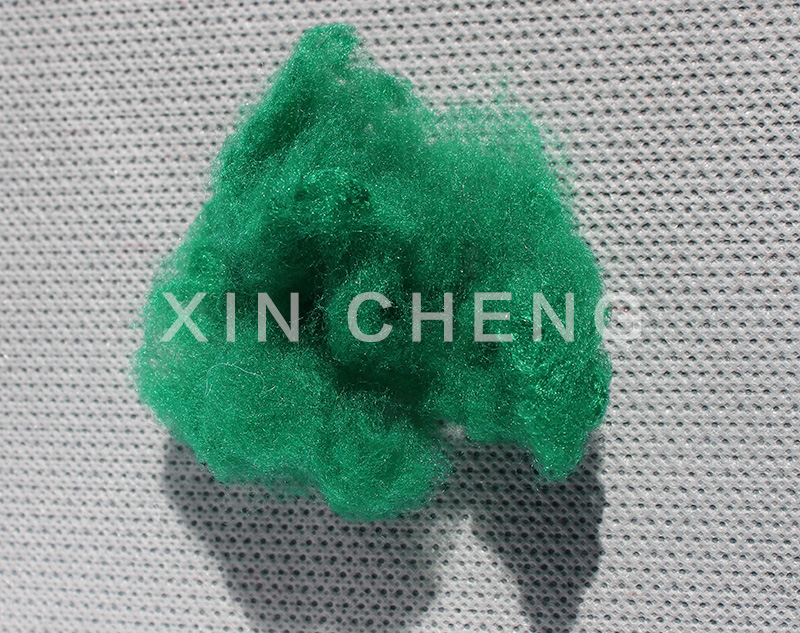
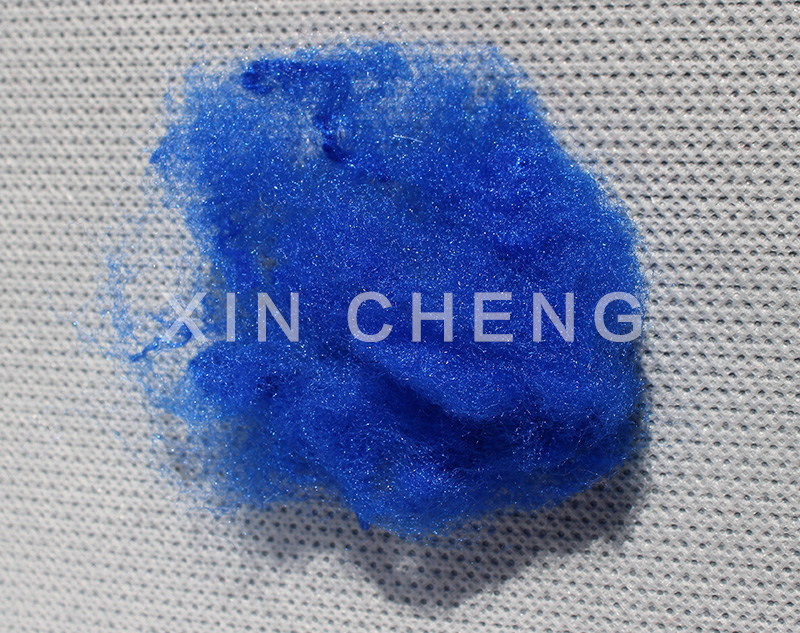
Polypropylene staple fiber is a type of synthetic fiber derived from polypropylene polymer. This material is known for its practical properties and finds use in diverse sectors. The production of polypropylene staple fiber typically involves processes like melt spinning, drawing, and cutting into defined lengths.
In terms of material characteristics, Polypropylene staple fiber is recognized for its low density, contributing to lightweight end products. It exhibits inherent hydrophobicity, meaning it has very low moisture absorption, which helps maintain performance in damp conditions. The fiber demonstrates good resistance to many chemicals, including acids and alkalis, enhancing its durability in industrial environments. Additionally, polypropylene staple fiber offers favorable abrasion resistance and provides thermal insulation due to its low thermal conductivity.
The application scope of Polypropylene staple fiber is extensive. In the textile industry, it is often blended with other fibers to manufacture fabrics for upholstery, carpets, and geotextiles. Within the nonwoven sector, polypropylene staple fiber serves as a key raw material for production methods such as needle punching and thermal bonding. These processes create products like filter media, automotive interiors, and hygiene materials. For household and consumer goods, this fiber is used in filling materials for pillows, quilts, and furniture padding. Industrial applications also leverage polypropylene staple fiber in areas like concrete reinforcement and agricultural coverings.
Ongoing advancements in production technology continue to improve the functionality of Polypropylene staple fiber. Modifications can enhance attributes such as UV stability or dyeability. The use of recycled polypropylene in staple fiber production is also gaining attention, supporting sustainability goals.
Selecting the appropriate Polypropylene staple fiber requires consideration of specifications like denier, cut length, and crimp level, which influence processing and final product performance. Understanding these parameters helps in making suitable material choices for specific projects.
As a versatile synthetic fiber, polypropylene staple fiber remains a relevant material option across multiple industries, adapting through innovation to meet evolving application demands.
- Polypropylene staple fiber purchasing guide: Select the right raw materials for smoother p
- The demand for polypropylene staple fibers is stable, and downstream purchasers pay more a
- Understand the process characteristics of polypropylene staple fibers
- Trump's visit to China sends positive signals, and the export of textile and clothing as w
- Polypropylene staple fiber is a widely used synthetic fiber.
- Cambodia's export growth strengthens its linkage with China's PTA.